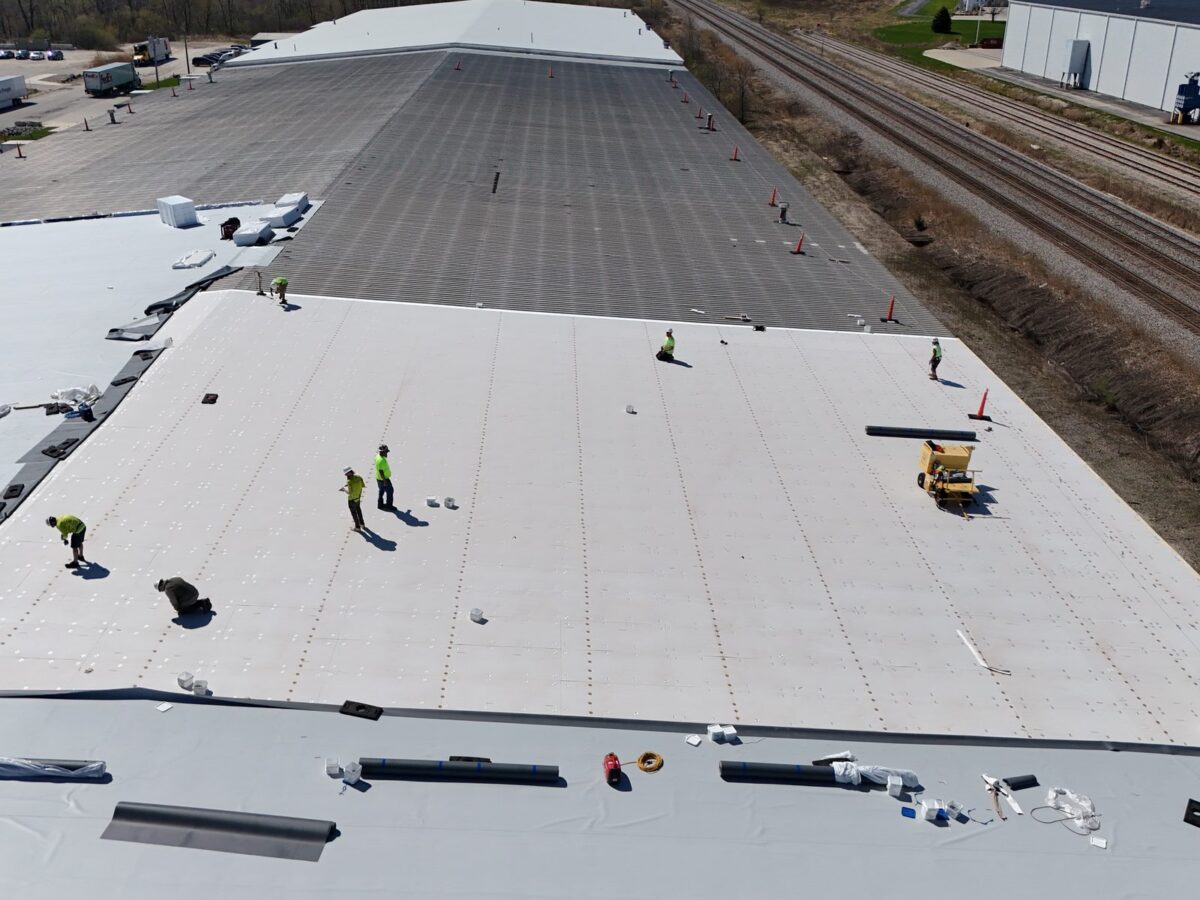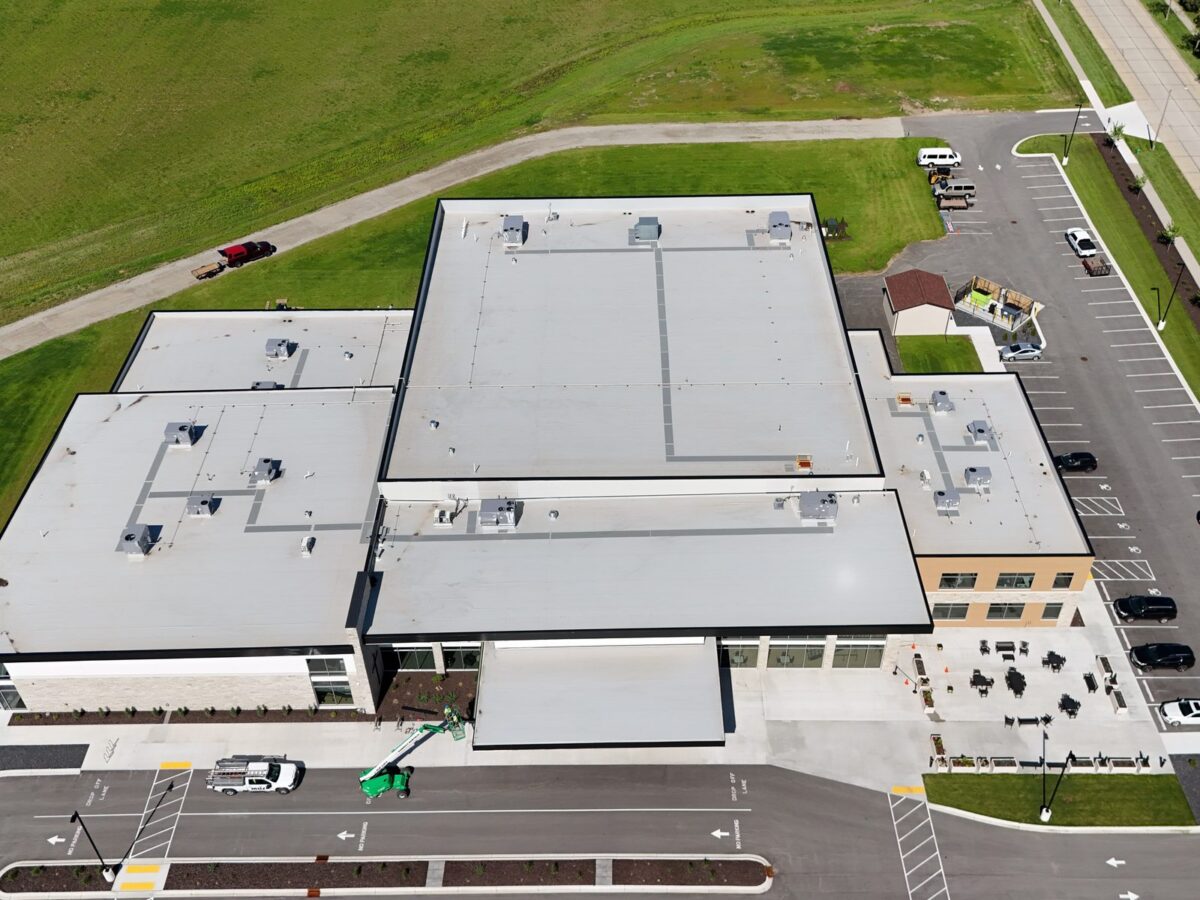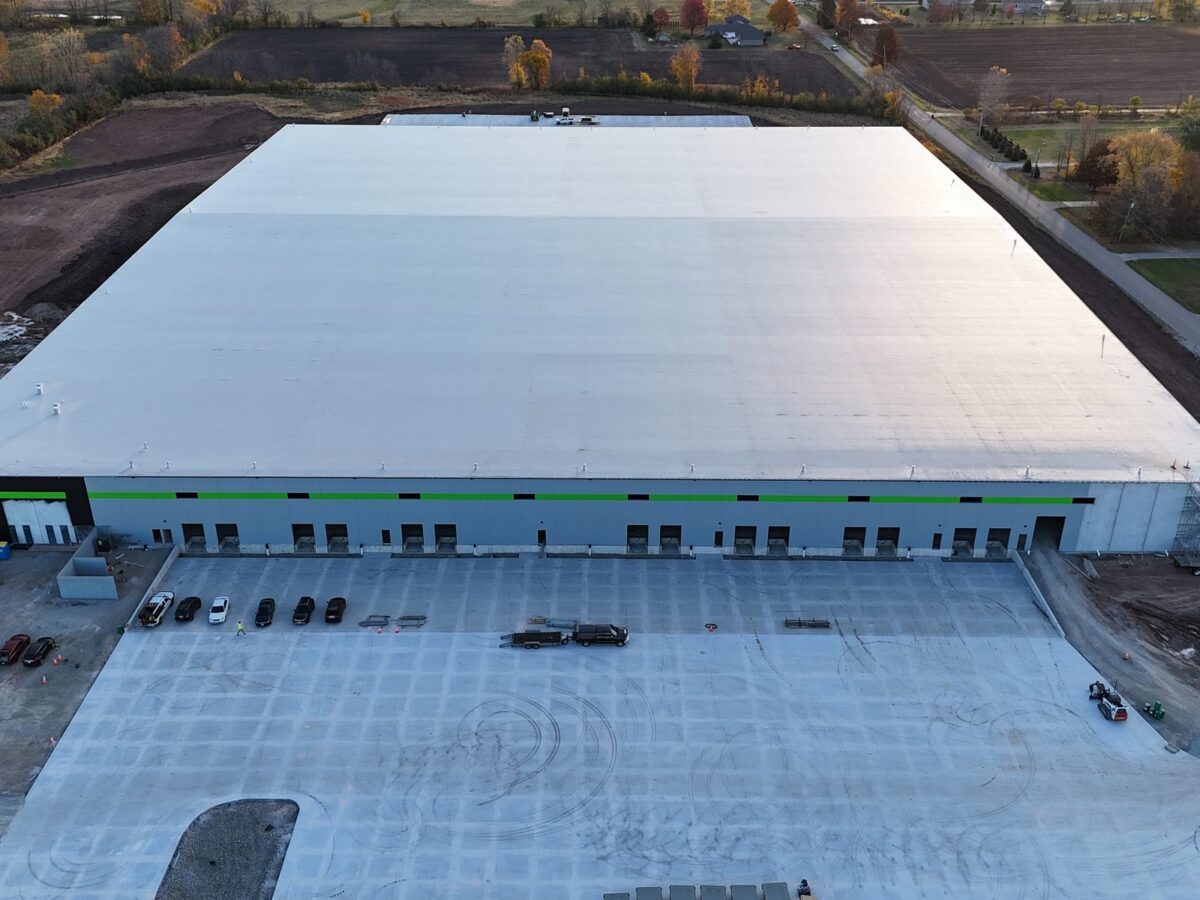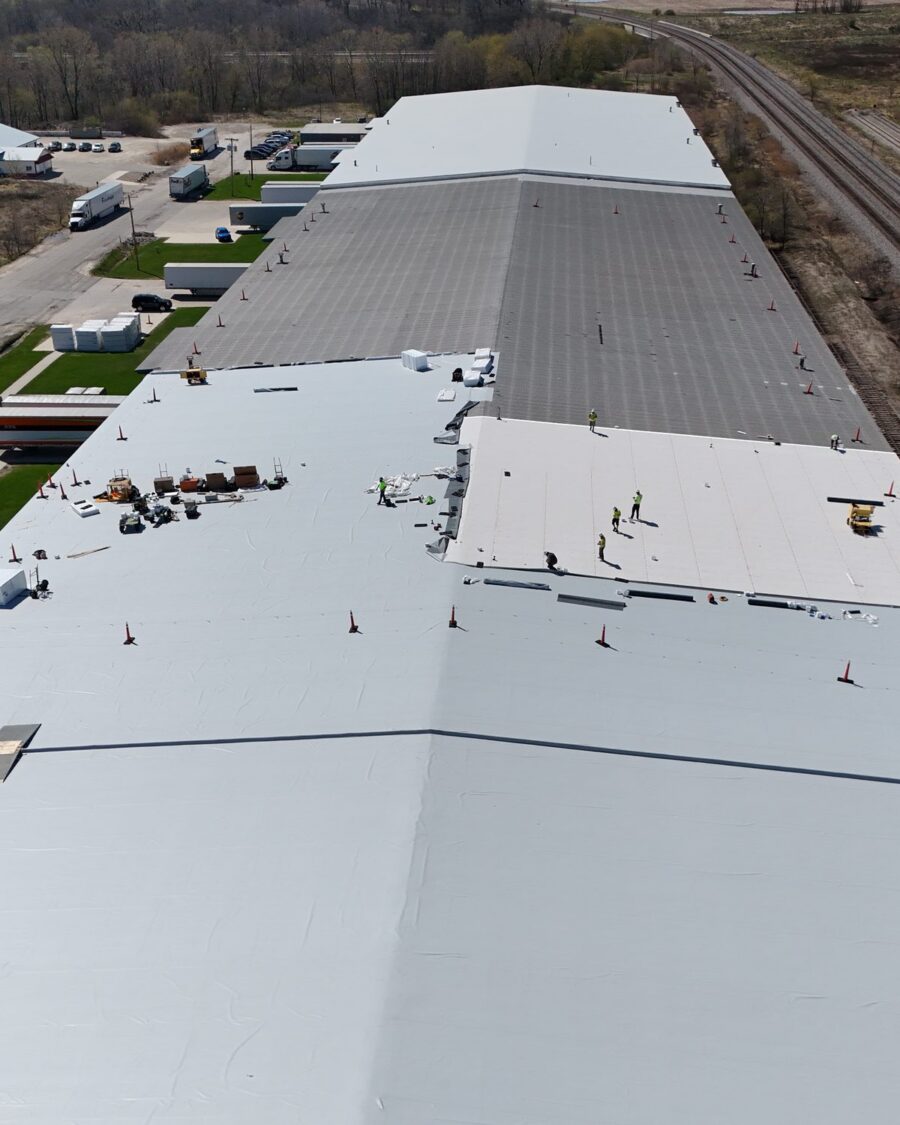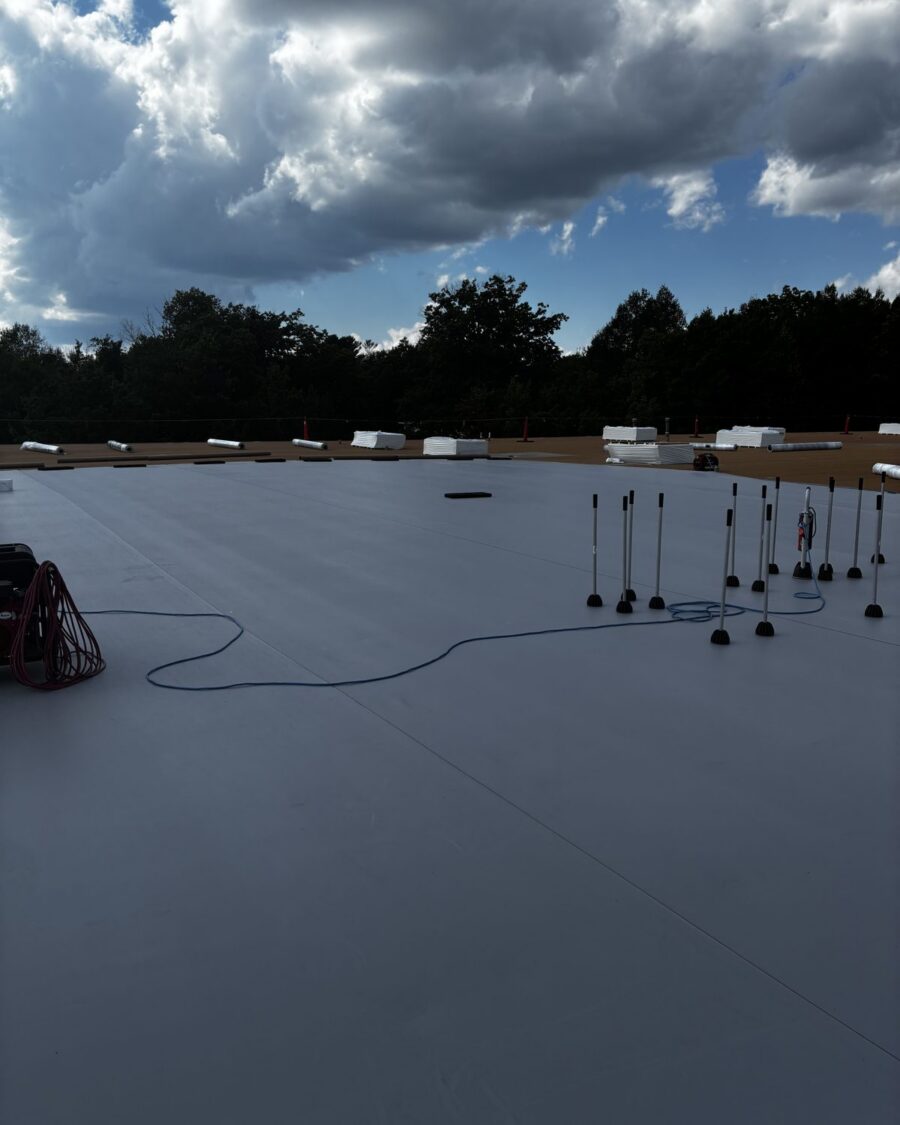
On a low-slope commercial roof, the membrane covers the field, but the sheet metal is what finishes the job. Edge metal, coping, flashings, gutters and scuppers tie the roof to the walls and carry water off the building, and they are where most leaks begin. Borsche Roofing Professionals fabricates and installs architectural and commercial sheet metal for the roofs we build and for roofs that simply need their metal repaired or replaced, across Northeast Wisconsin.
Why Sheet Metal Matters on a Low-Slope Roof
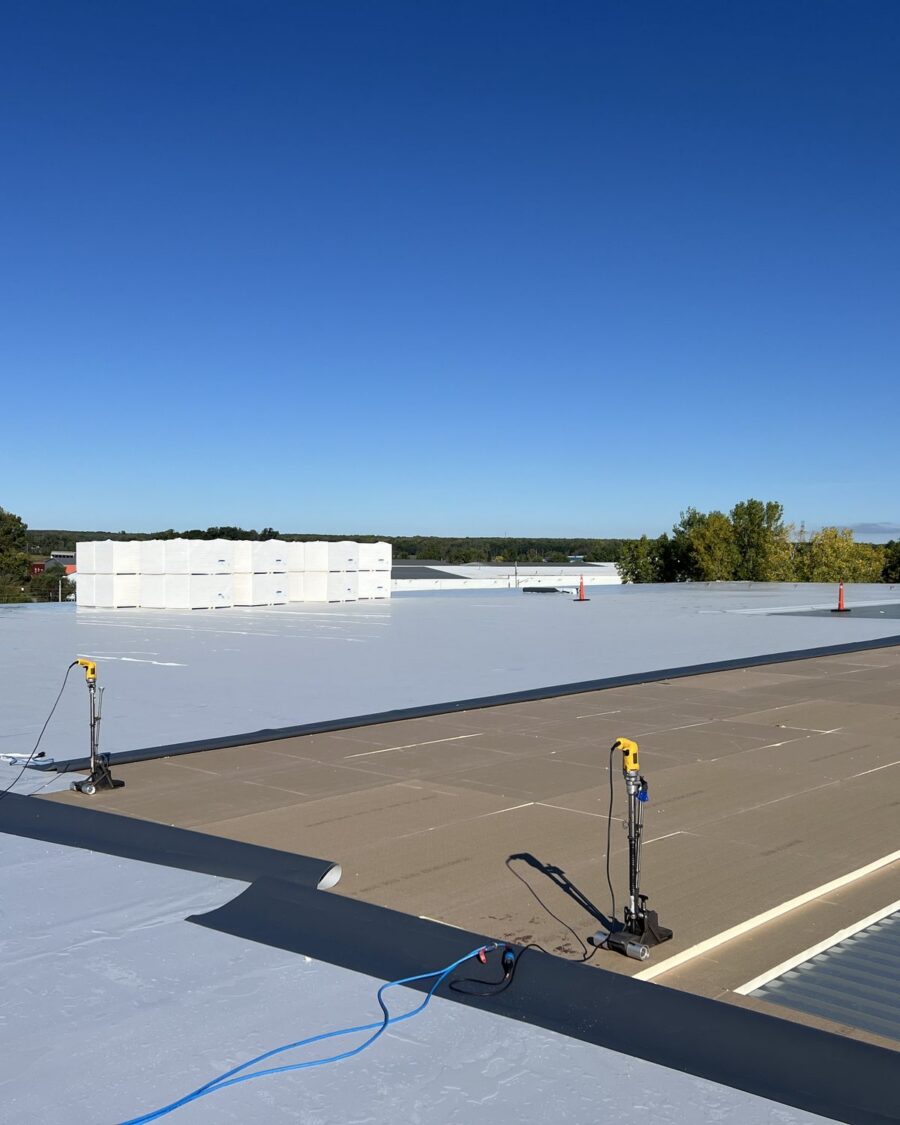
A roofing membrane is only as good as its terminations. At the perimeter, the membrane has to be secured against wind uplift and closed off from water running down the fascia. At parapets, curbs and walls, it has to turn up and be covered so water cannot get behind it. At drains and scuppers, it has to deliver water into the drainage system without pooling at the seam. Every one of those conditions is a piece of sheet metal, and every one of them sees ice, snow load, thermal movement and wind that the open field of the roof never does. A roof with a sound membrane and poor metal leaks; a roof with good metal usually does not.
What We Fabricate and Install
Edge metal and fascia that anchors the membrane at the roof perimeter and finishes the building edge. Coping caps over parapet walls, with concealed cleats and joint covers that allow for expansion. Counterflashing and through-wall flashing at masonry and framed walls, including reglet and surface-mounted systems. Gutters, downspouts, scuppers, conductor heads and collector boxes sized for the roof they drain. Pitch pockets, curb caps and equipment flashings around pipes, supports and rooftop units. Expansion joint covers where the structure moves. Standing seam roof panels and metal wall panels on sloped roofs, canopies and building elevations. And repairs to existing metal of every kind, on every roof system.
Materials and Gauges
Most commercial sheet metal is galvanized steel or steel with a factory-applied Kynar-type fluoropolymer finish, which is available in dozens of colors and holds them for decades. Aluminum is lighter and does not rust, which makes it a common choice for gutters, downspouts and coping. Copper and stainless steel are used where longevity, appearance or chemical exposure justify the cost. Gauge, meaning thickness, is matched to the width of the piece and the wind exposure; in general, wider coping and edge metal on tall or exposed buildings use heavier metal, which resists wind flutter and oil-canning and holds fasteners better. Dissimilar metals are kept apart to prevent galvanic corrosion, and fasteners are matched to the metal they hold.
Industry Standards for Edge Metal
Two references guide good commercial sheet metal work. The Sheet Metal and Air Conditioning Contractors’ National Association (SMACNA) publishes the Architectural Sheet Metal Manual, the long-standing reference for profiles, joints, cleats, expansion and gauge selection. ANSI/SPRI ES-1 is the wind design standard for edge systems used with low-slope roofs, and the International Building Code references it, so edge metal and coping on commercial roofs are expected to be designed and fastened for the wind loads at the building. Roofing manufacturers also publish their own edge details, and following them matters for the roof system warranty. We detail and fasten our metal to meet those requirements rather than simply bending it to look right.
Coordination With Re-Roofs and New Construction
The best time to replace edge metal, coping and flashings is during a re-roof, when the perimeter is already open and the new membrane can be terminated into new metal rather than old. We plan the metal as part of every replacement so it is measured, fabricated and ready when the crew reaches the edge. On new construction, we fabricate and install to the architect’s details and the manufacturer’s requirements and coordinate with the general contractor, masons and mechanical trades, because through-wall flashing, curb heights and equipment supports have to be sequenced with other work. We also work with the owner’s architects and engineers to resolve details before they become problems in the field.
Repairs to Existing Metal
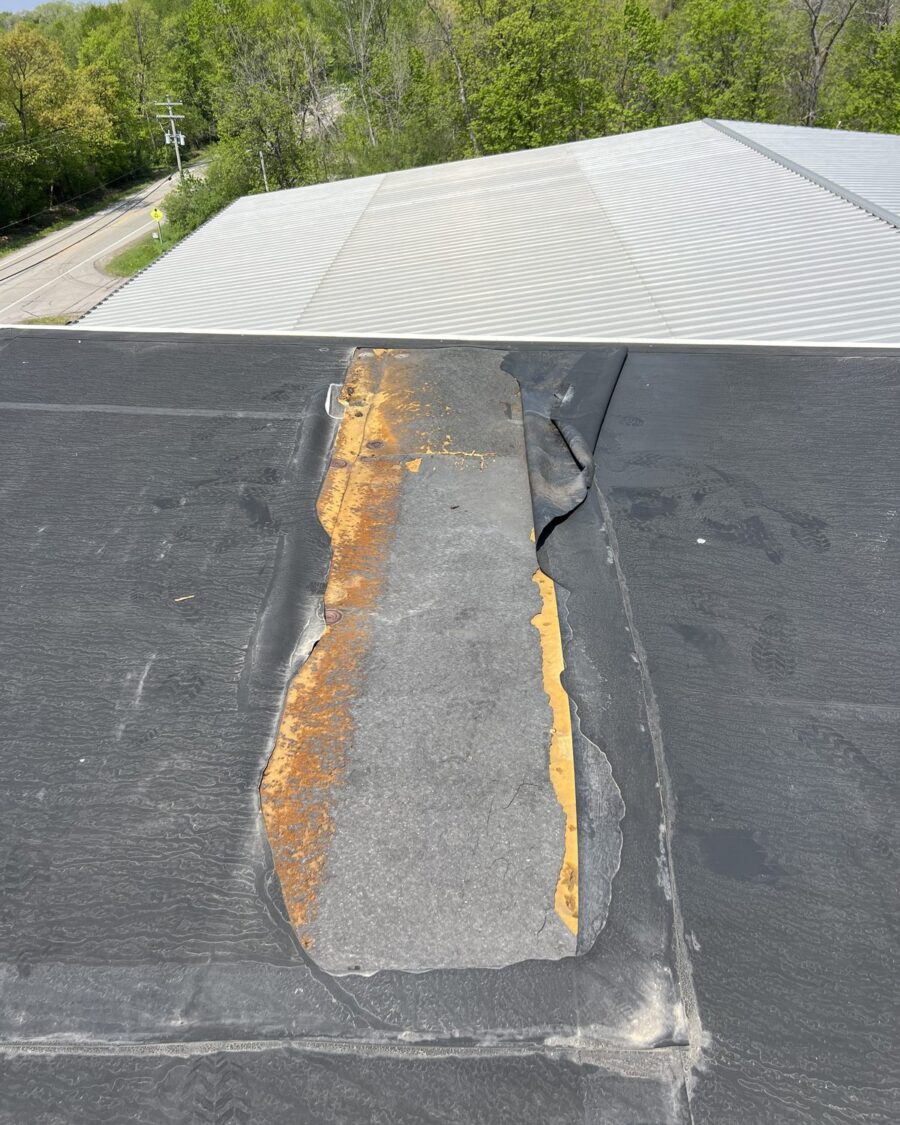
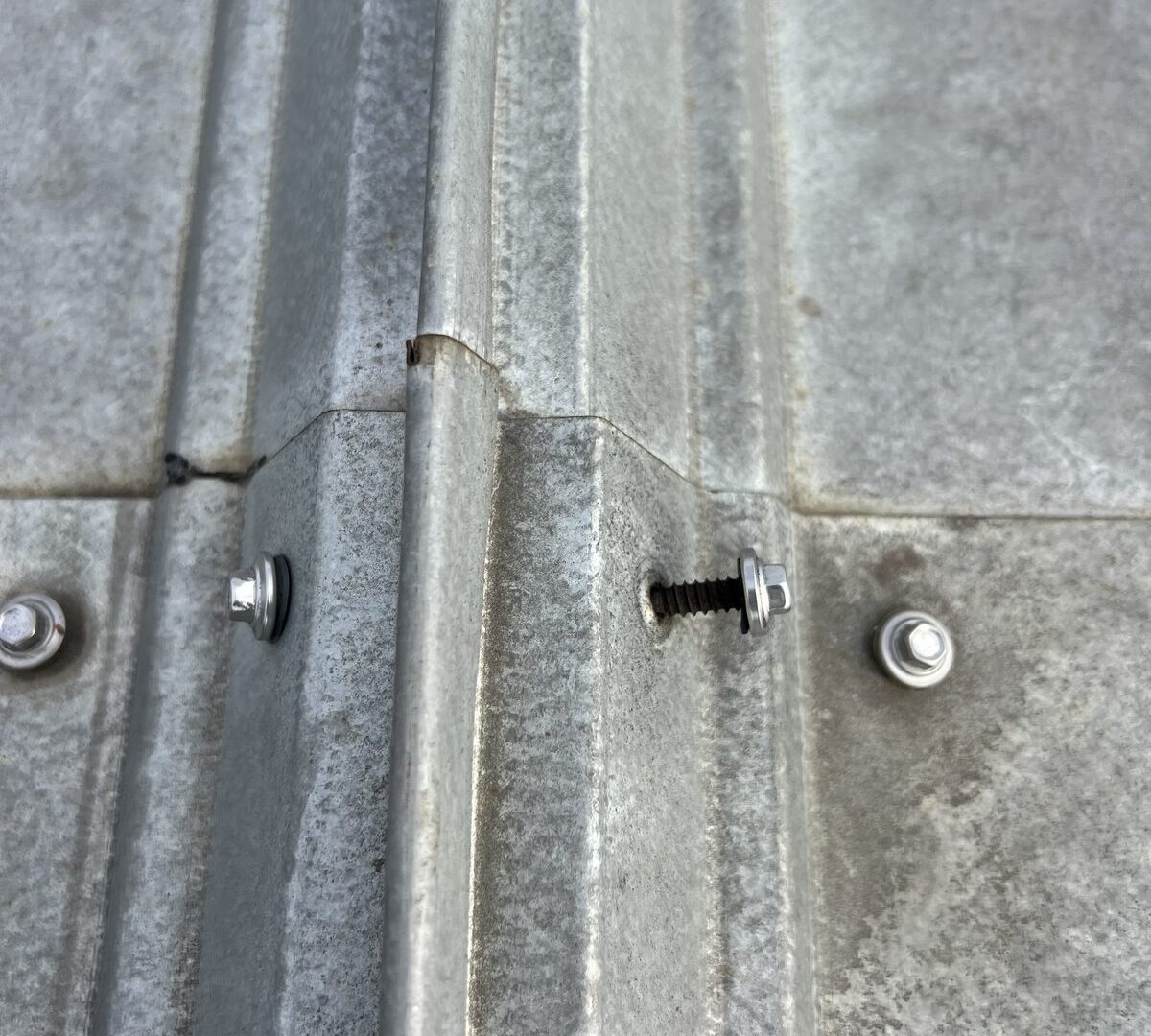
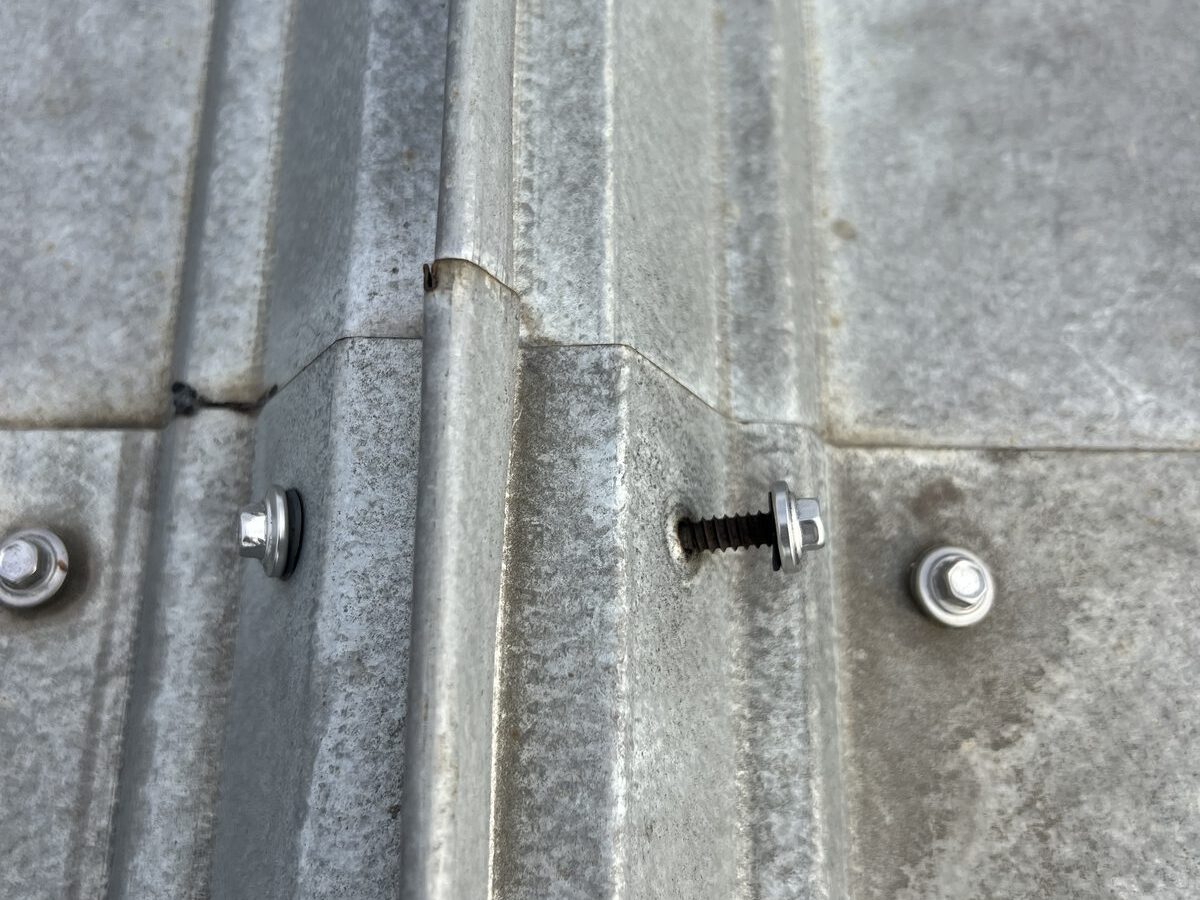
Many of the leaks we trace end at a piece of metal: an open coping joint, a backed-out fastener, failed sealant at a counterflashing, a separated gutter seam or an edge lifted by wind. These are repairable, and a repair is often all an otherwise sound roof needs. When the metal is rusted through, undersized for the exposure or detailed in a way that will keep leaking, we say so and recommend replacement. Either way, you get photos of the problem and the fix.
Sheet Metal Done With the Roof in Mind
Because we install the roofing systems the metal is attached to, our sheet metal is detailed to work with the membrane, not just to cover the edge. If your roof is leaking at the perimeter or the walls, or you are planning a re-roof or a new building and want the metal done right, call for a free estimate and consultation.