Preventative Maintenance

Commercial Roofing Services

Preventative Maintenance

What We Do

Preventative Maintenance

A roof that is inspected twice a year lasts longer, costs less to own and almost never surprises you. Our maintenance programs catch small problems while they are still small and keep manufacturer warranties in force.

  • Spring and fall inspections
  • Drains, scuppers and debris cleared
  • Minor repairs completed during the visit
  • Photo condition report after every visit
  • Budget planning for future work
  • Keeps manufacturer warranties valid
Commercial Preventative Maintenance by Borsche Roofing Professionals

The cheapest commercial roof to own is the one that is looked at twice a year. Borsche Roofing Professionals runs preventative maintenance programs for building owners and property managers across Northeast Wisconsin, catching the small problems that become expensive ones and keeping manufacturer warranties in good standing.

What Is Included in a Maintenance Program

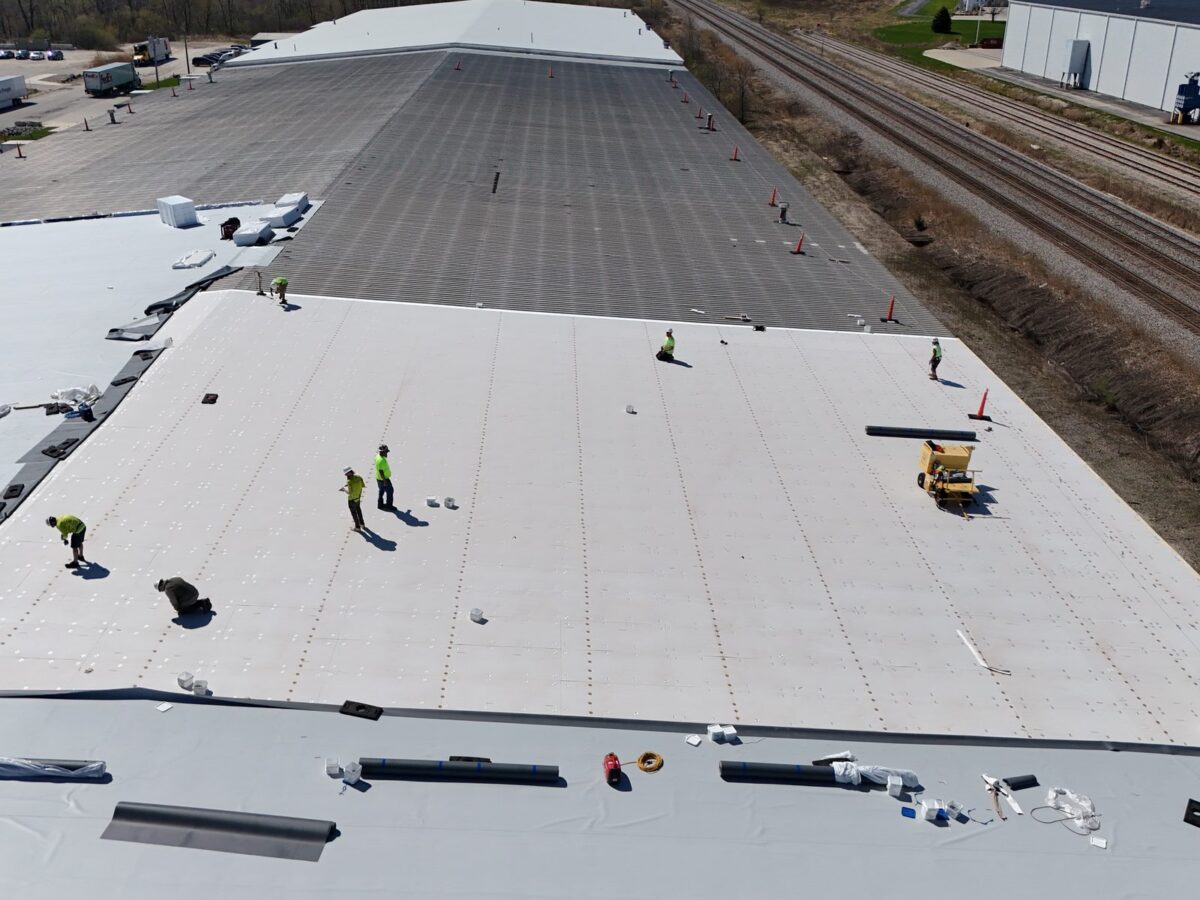
Each program starts with a baseline inspection and photo record of the roof. Then, every spring and fall, our crew walks the entire roof, clears drains, scuppers, gutters and debris, inspects every seam, flashing, penetration, edge and rooftop unit curb, reseals and repairs minor issues on the spot, and writes a condition report with photos. Anything larger than a minor repair is quoted separately so you decide what to do and when.

Why Twice a Year Matters in Wisconsin

Winter is what shortens the life of a commercial roof here. Snow load, ice at drains and edges, and dozens of freeze-thaw cycles turn small openings into big ones. The fall visit makes sure the roof goes into winter tight, with drains clear and details sealed. The spring visit finds what the ice opened up before the heavy rains of April and May find it for you.

The Financial Case

Industry data consistently shows that maintained roofs last years longer than neglected ones, and the difference is almost entirely in the details: flashings, seams and drains. A maintenance visit costs a small, predictable amount. An emergency repair in February, or replacing a section of saturated insulation that a cleared drain would have prevented, does not. Just as important, a maintenance history lets you plan a replacement years ahead instead of discovering the need after a storm.

Protecting Your Warranty

Manufacturer system warranties on Thermoplastic Polyolefin (TPO), Ethylene Propylene Diene Monomer (EPDM), Polyvinyl Chloride (PVC) and modified bitumen roofs typically require that the owner maintain the roof and keep records. A documented program from a certified contractor is the simplest way to meet that requirement and to make sure a warranty claim is honored when it matters.

Programs for Multi-Building Portfolios

For property managers and owners with several roofs, we keep a file on each building and schedule all of them in the same season. You get one report per building, a portfolio summary, and a multi-year outlook for budgeting, which is far more useful than a series of unrelated repair invoices.

Get on the Schedule

The best time to start a maintenance program is before the next winter. Call the office or request a quote and we will set up a baseline inspection and a fixed annual price.
How It Works

The Preventative Maintenance Process

  1. 01

    Baseline inspection

    We document the roof as it is today: every detail, drain and known problem area, with photos.

  2. 02

    Spring visit

    After the thaw we check for winter damage, clear drains, reseal details and repair what the ice opened up.

  3. 03

    Fall visit

    Before winter we clear leaves and debris, check every seam and flashing, and make sure drains and heat trace are ready.

  4. 04

    Report and budget

    Each visit ends with a written report. Over time it becomes a clear picture of when major work will be needed.

Every Major System

Systems We Use for Preventative Maintenance

Compare All Systems

Thermoplastic Polyolefin (TPO)

White, heat-welded single-ply membrane. Reflective, puncture resistant and the most common choice for new and replacement roofs on warehouses, plants and offices.

Best for: Large open roofs, cooling savings Learn more

Ethylene Propylene Diene Monomer (EPDM)

Black synthetic rubber with decades of history in cold climates. Very flexible through freeze-thaw cycles; available white for reflectivity.

Best for: Roofs with many details, long-term flexibility Learn more

Polyvinyl Chloride (PVC)

Heat-welded membrane that resists grease, oils and chemicals. The right system over kitchens, food processing and manufacturing exhaust.

Best for: Restaurants, food processors, chemical exposure Learn more

Modified Bitumen

Multi-ply asphalt system with a granulated cap sheet. Tough under heavy foot traffic and rooftop equipment service.

Best for: Roofs with heavy maintenance traffic

Built-Up Roofing (BUR)

The traditional tar-and-gravel roof: alternating plies of asphalt and reinforcing felt topped with gravel or a cap sheet. Thick, redundant and proven.

Best for: Redundant waterproofing, older buildings

Metal Roofing

Standing seam and pre-engineered metal panels for sloped and architectural roofs. Long service life with minimal maintenance.

Best for: Sloped roofs, schools, municipal buildings

Why Choose Borsche

A Roofing Partner
You Can Count On.

For more than 80 years, we've delivered workmanship, integrity and service that businesses rely on.

Learn More
  • 80+ Years of Experience
  • Skilled, Certified
    Roofing Professionals
  • Safety
    First Approach
  • Locally Owned
    & Operated

Good to Know

Preventative Maintenance FAQs

Ready to talk about your roofing project?

Let's build a solution that lasts.

Get a Quote