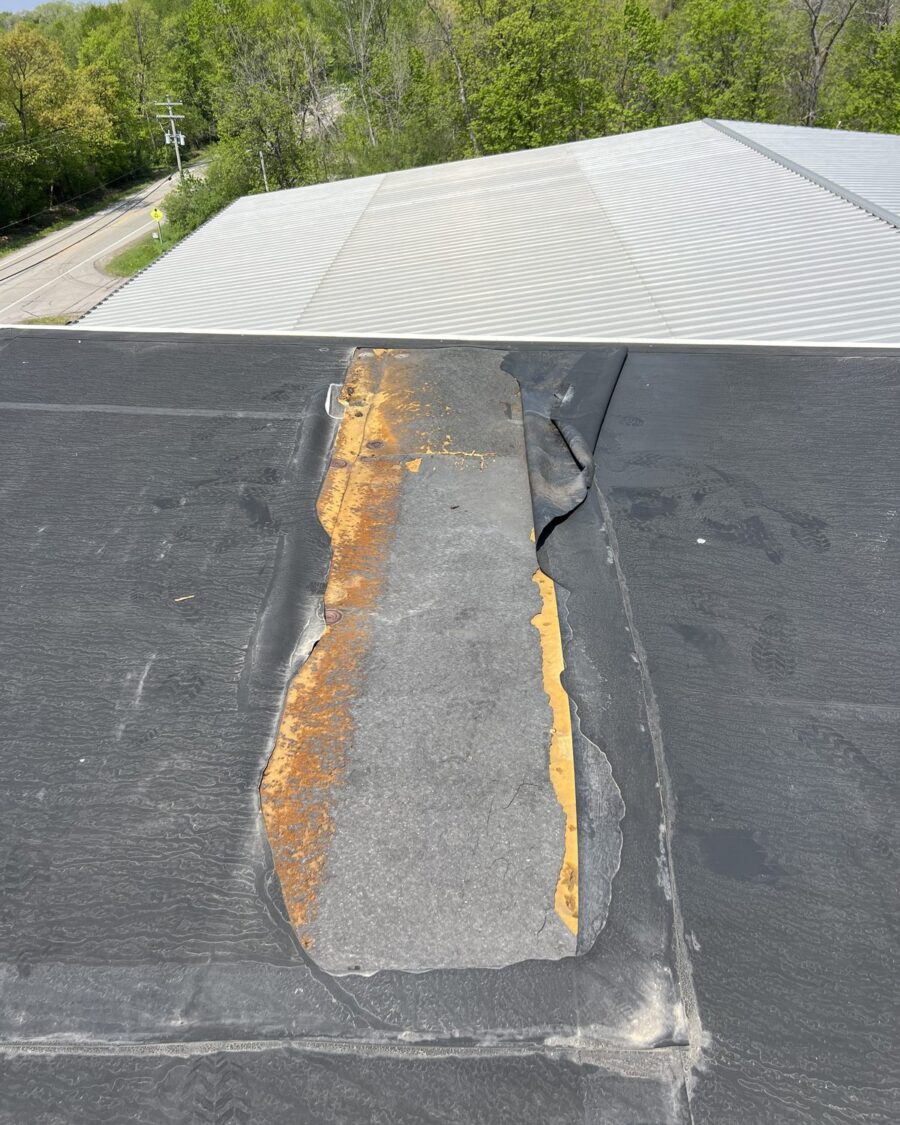
Every commercial roof reaches a point where patching stops being economical. Seams fail faster than they can be repaired, insulation is wet across large areas, and every storm brings a new leak. Borsche Roofing Professionals has been replacing commercial and industrial roofs across Northeast Wisconsin since 1945, and we approach each one the same way: an honest inspection, a written scope, a system matched to the building, and a crew that shows up when scheduled.
What a Commercial Roof Replacement Includes
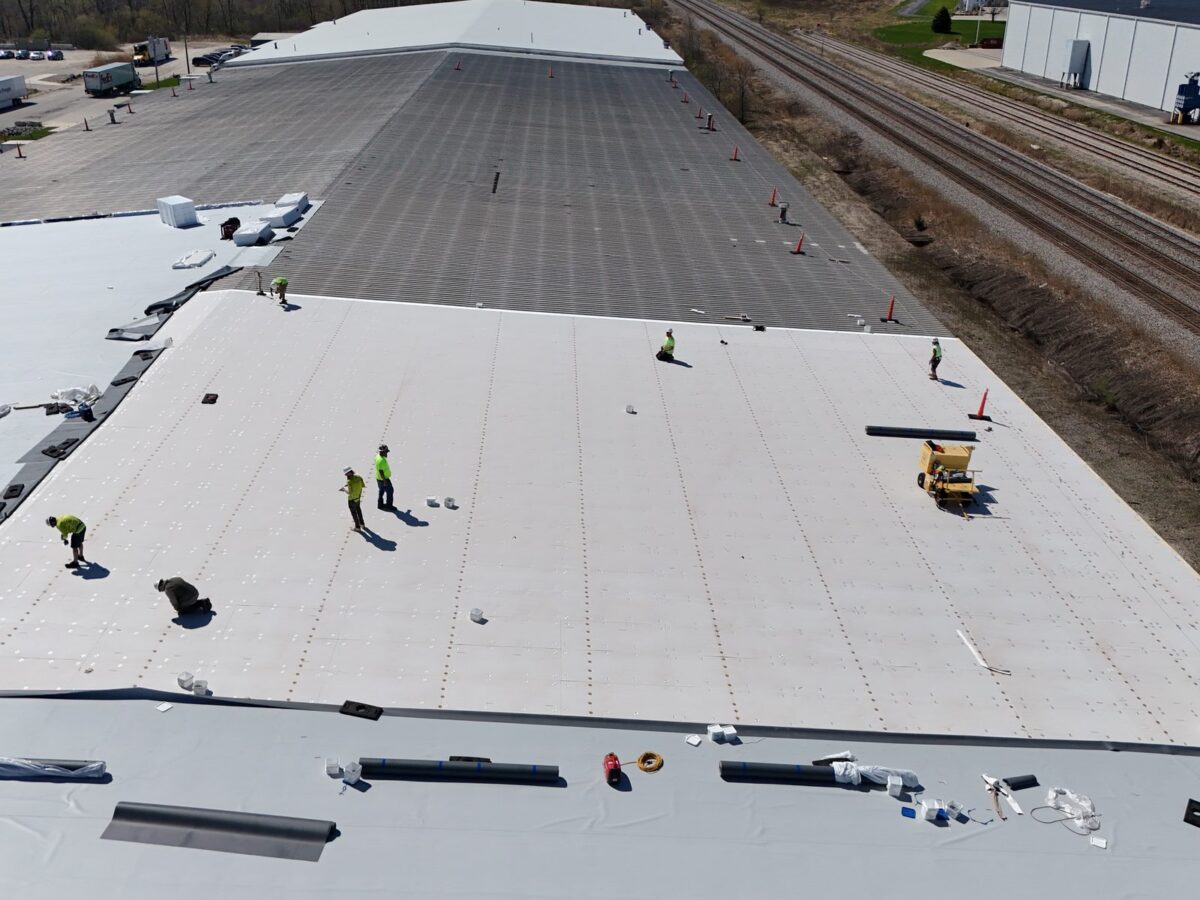
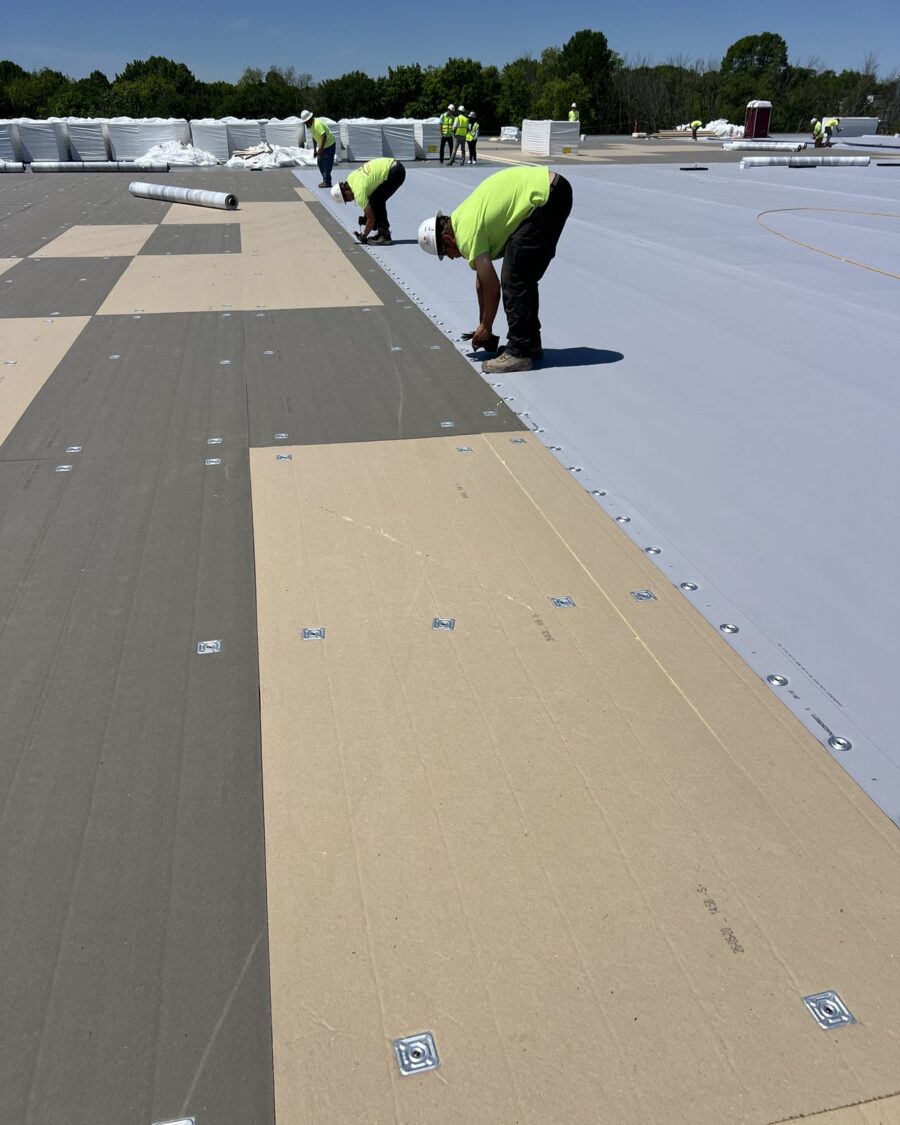
A full replacement means removing the existing roof down to the deck, correcting any deck damage or wet insulation found underneath, installing new insulation to current energy code, and installing the new roofing system with new flashings, edge metal and drainage details. We handle every part of it with our own crews, from tear-off to the final manufacturer inspection, so there is one contractor responsible for the roof.
On many buildings the insulation and details are where the real value is. A new membrane over crushed or wet insulation will not perform, and old flashings are where most leaks start, so we replace them as part of the job rather than reusing what is there.
Roofing Systems We Install
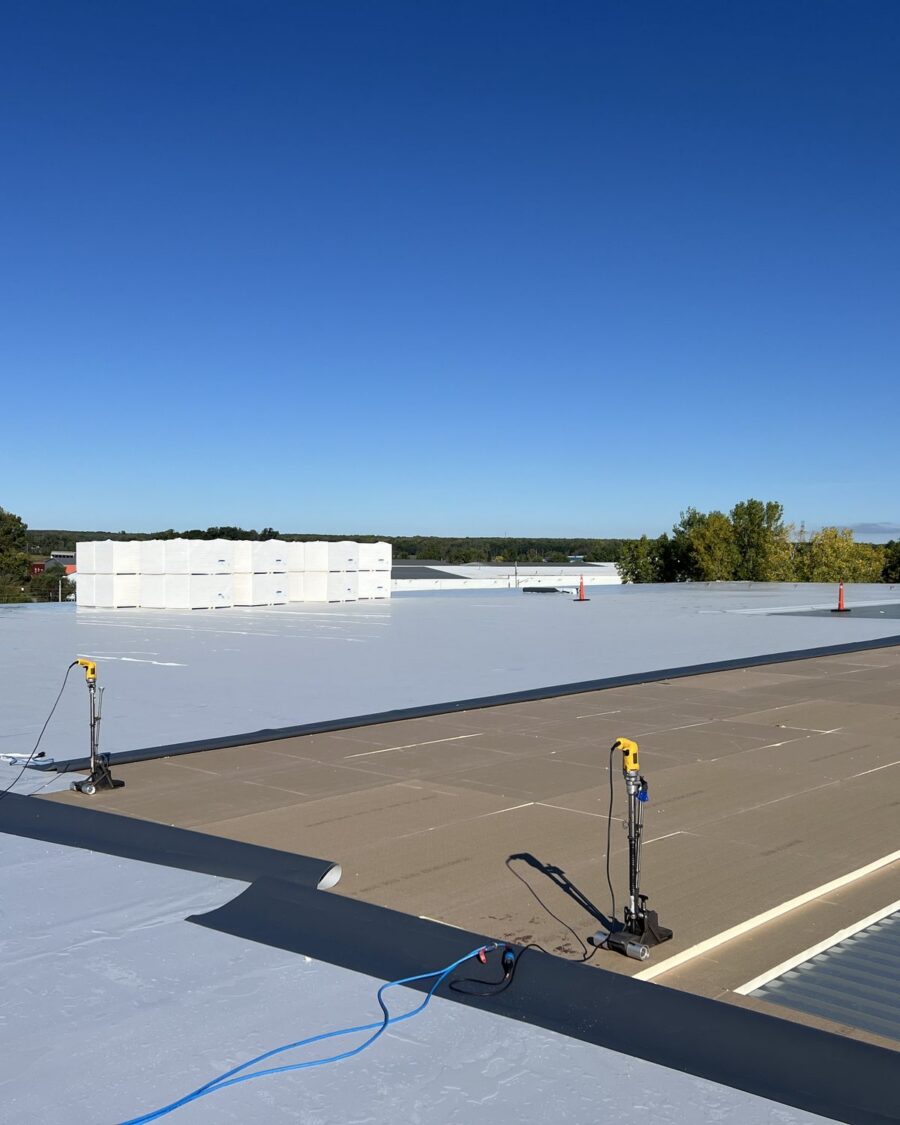
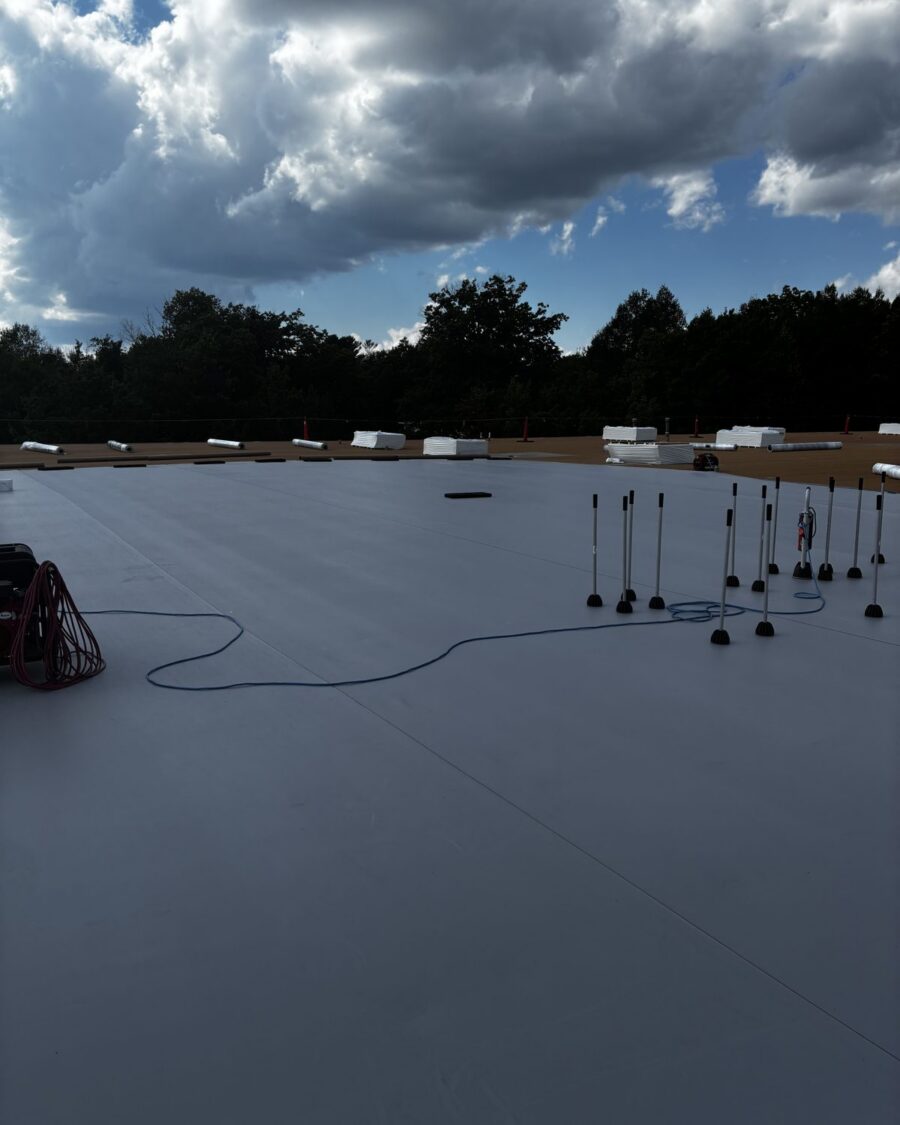
We install every major low-slope system and match the choice to the building, not to a single product line. Thermoplastic Polyolefin (TPO) is a white, heat-welded membrane that reflects summer heat and holds up well to foot traffic and hail. Ethylene Propylene Diene Monomer (EPDM) is a black rubber membrane with five decades of history in cold climates and excellent flexibility through freeze-thaw cycles. Polyvinyl Chloride (PVC) resists grease and chemicals, which makes it a good fit for restaurants, food processors and manufacturing. Modified bitumen is a multi-ply asphalt system that suits roofs with heavy equipment traffic. Standing seam metal is a long-life option for sloped and architectural roofs.
All of them are available as fully adhered, mechanically attached or (for EPDM) ballasted installations. We generally recommend 60 mil or thicker membranes on commercial buildings and will explain the trade-offs for your roof in plain terms.
Built for Wisconsin Weather
Roofs in the Fox Valley see 140-degree temperature swings between January and July, heavy snow loads, ice at every drain and edge, and hail most summers. That is why our replacements use thicker membranes, reinforced corners and details, tapered insulation to eliminate ponding, and drainage designed for spring thaw. A roof that is engineered for the climate costs slightly more on day one and considerably less over its life.
Working Around Your Business
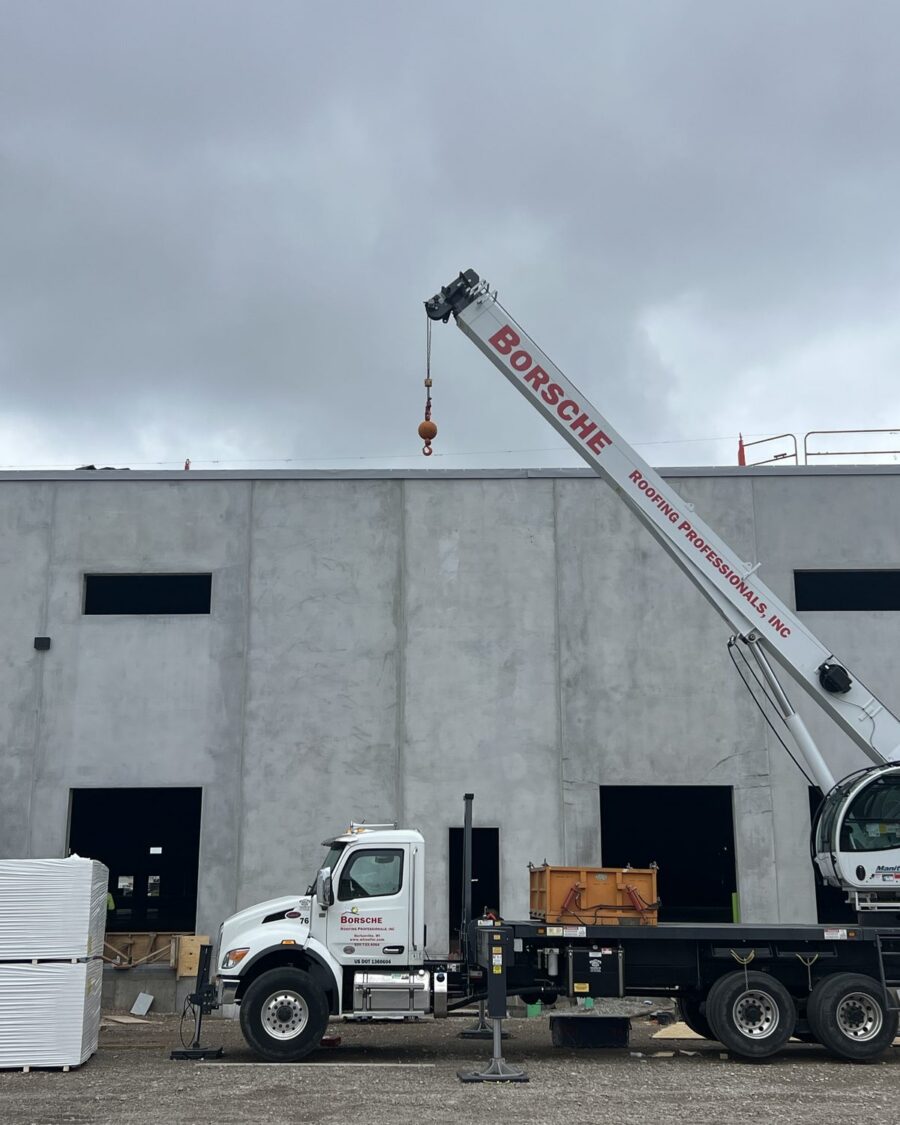
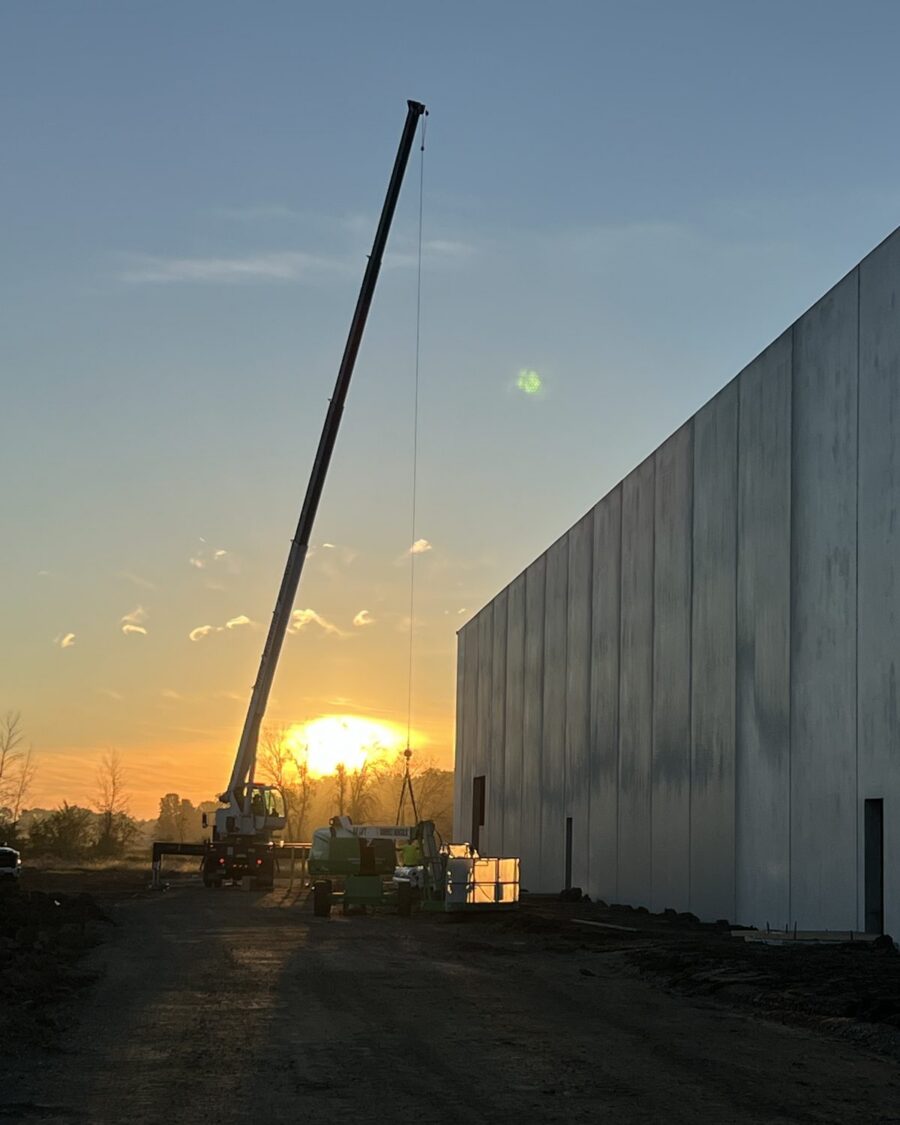
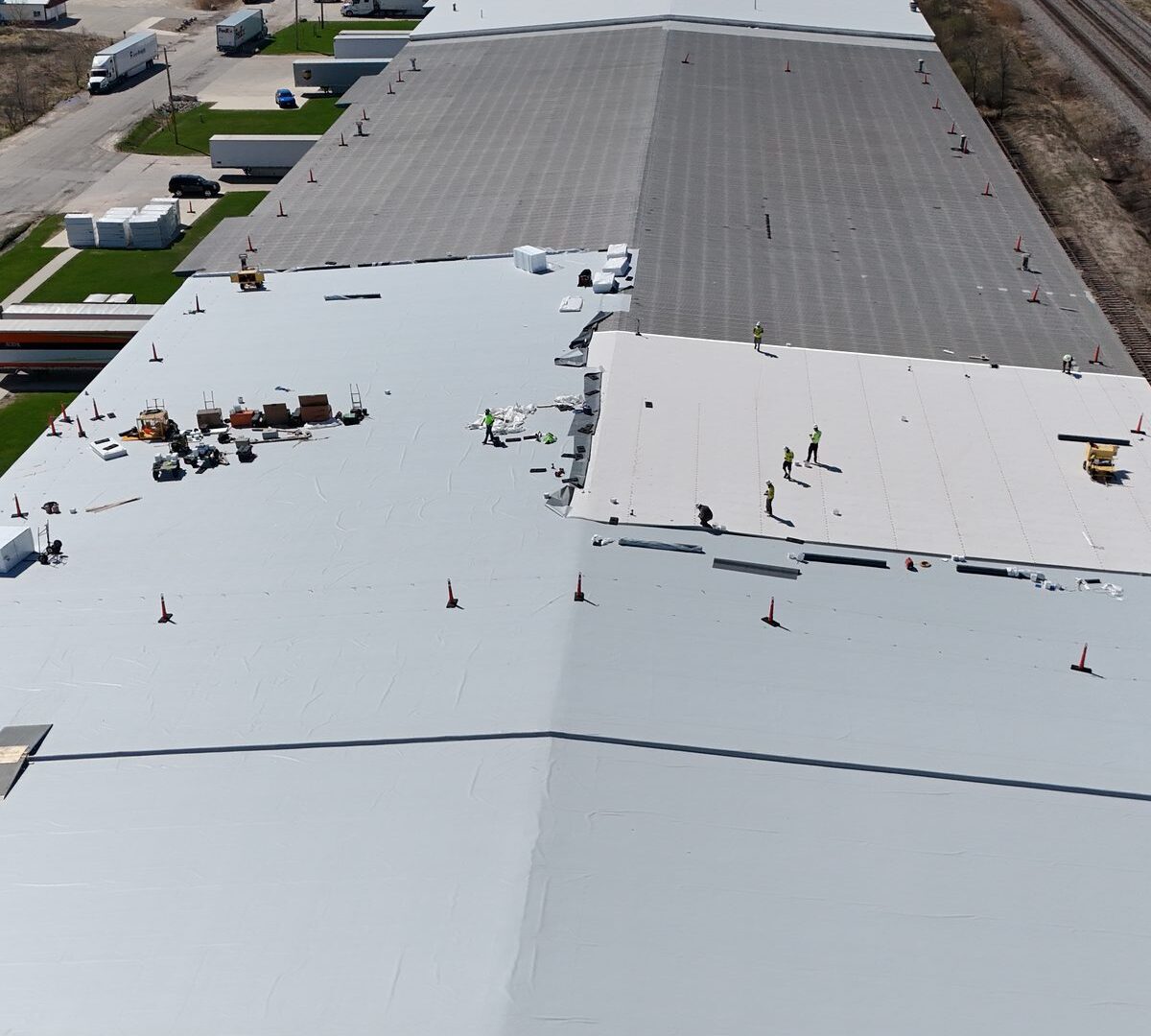
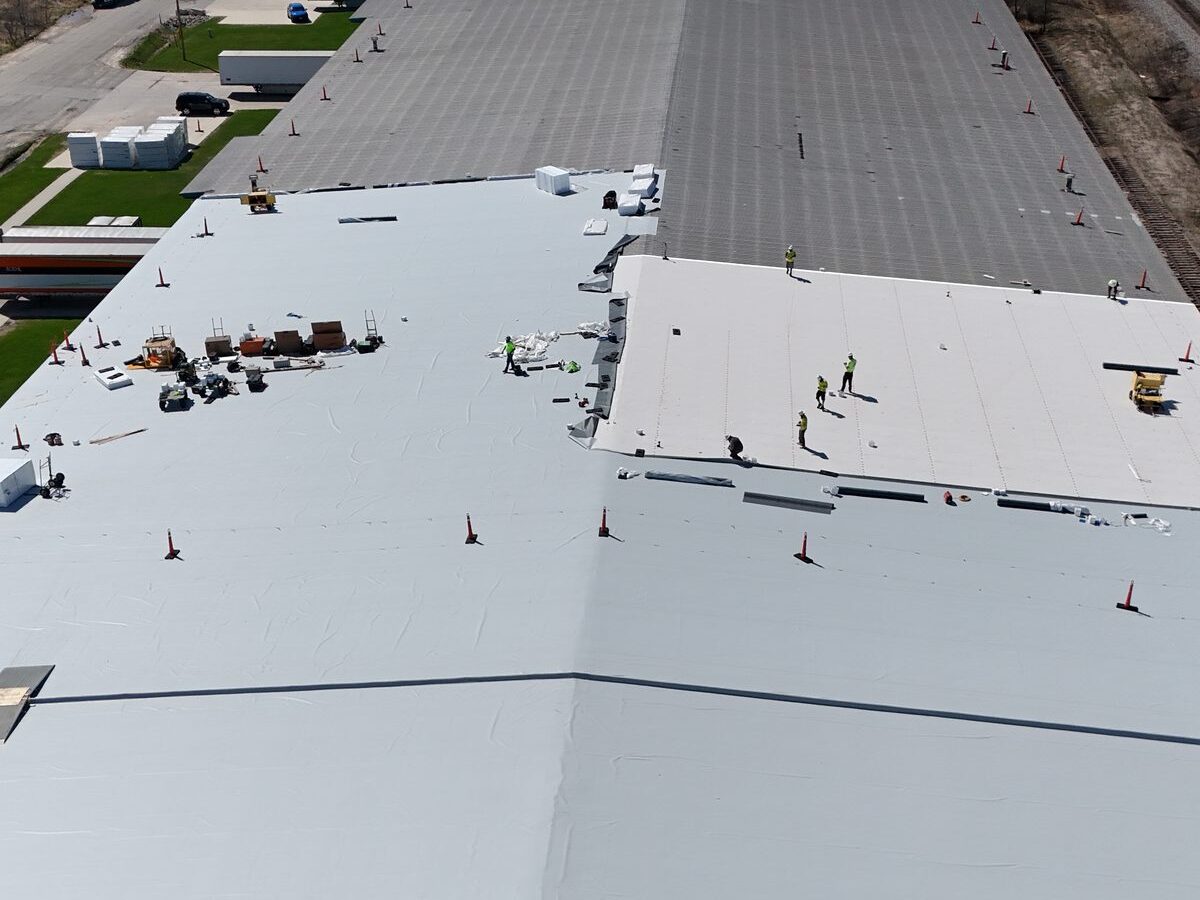
Most of our replacements are on buildings that stay open during the work. We phase the roof so only the section being replaced is open at any time and it is closed by the end of the day. Crane picks, material staging and dumpsters are placed away from entrances, docks and air intakes, and our crews follow your site safety rules. For schools we work over breaks; for manufacturers we work around shifts; for healthcare we protect air intakes and keep noise away from patient areas.
Warranties and What They Cover
As a certified installer for the major manufacturers, we can offer no-dollar-limit system warranties of 15, 20, 25 or 30 years that cover both material and labor. Our own workmanship warranty stands behind every installation, and a preventative maintenance program keeps the manufacturer warranty in good standing for its full term.
Why Choose Borsche for Your Replacement
Three generations of the same family have run this company from the same area, and our crews have replaced roofs on manufacturing plants, warehouses, schools, clinics, municipal buildings, offices and retail centers across Northeast Wisconsin. We own our cranes and equipment, our installers are manufacturer certified, and our office answers the phone. If a repair will do, we will tell you; if the roof is done, we will show you why.