Roof Repair

Commercial Roofing Services

Roof Repair

What We Do

Roof Repair

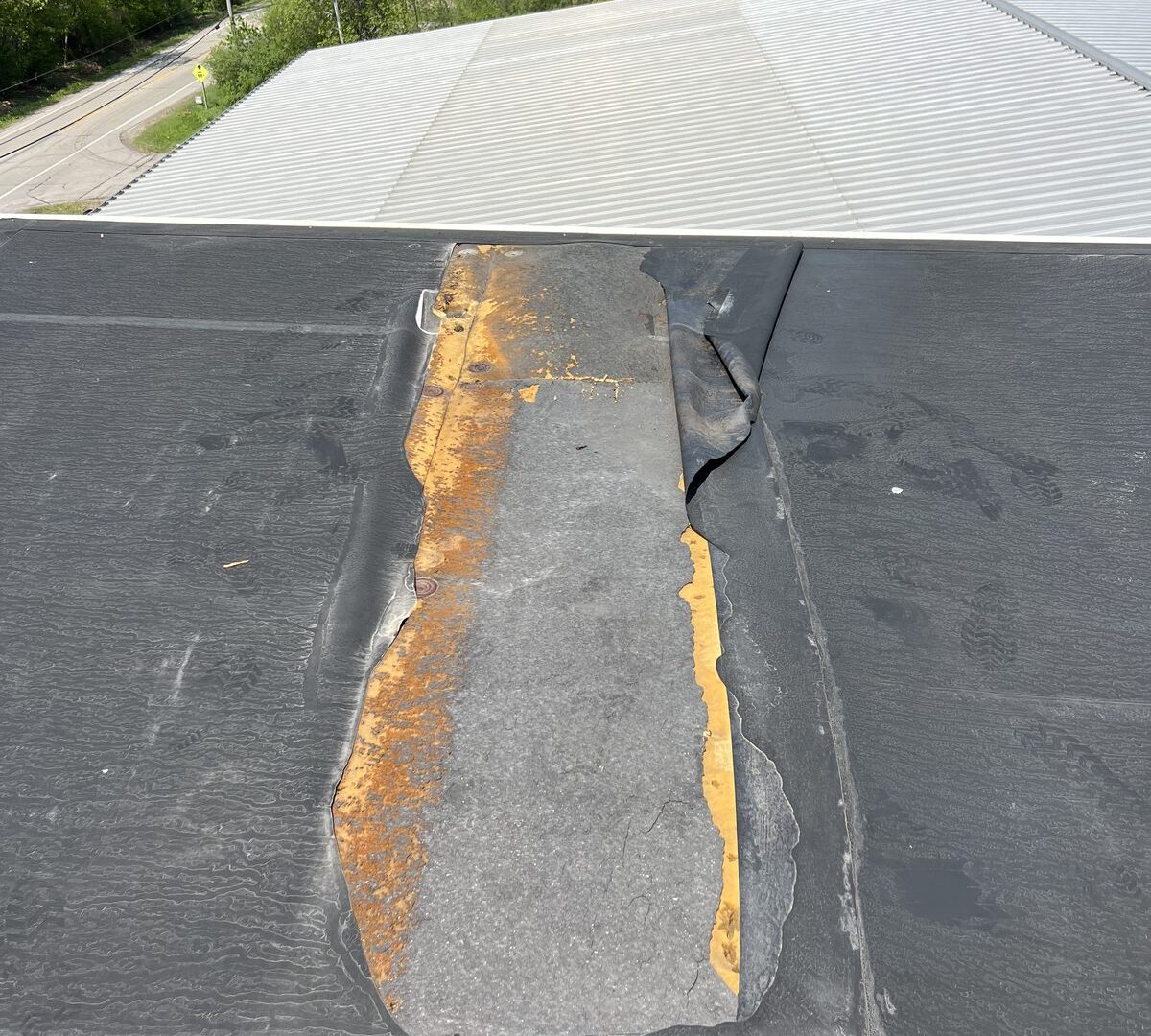
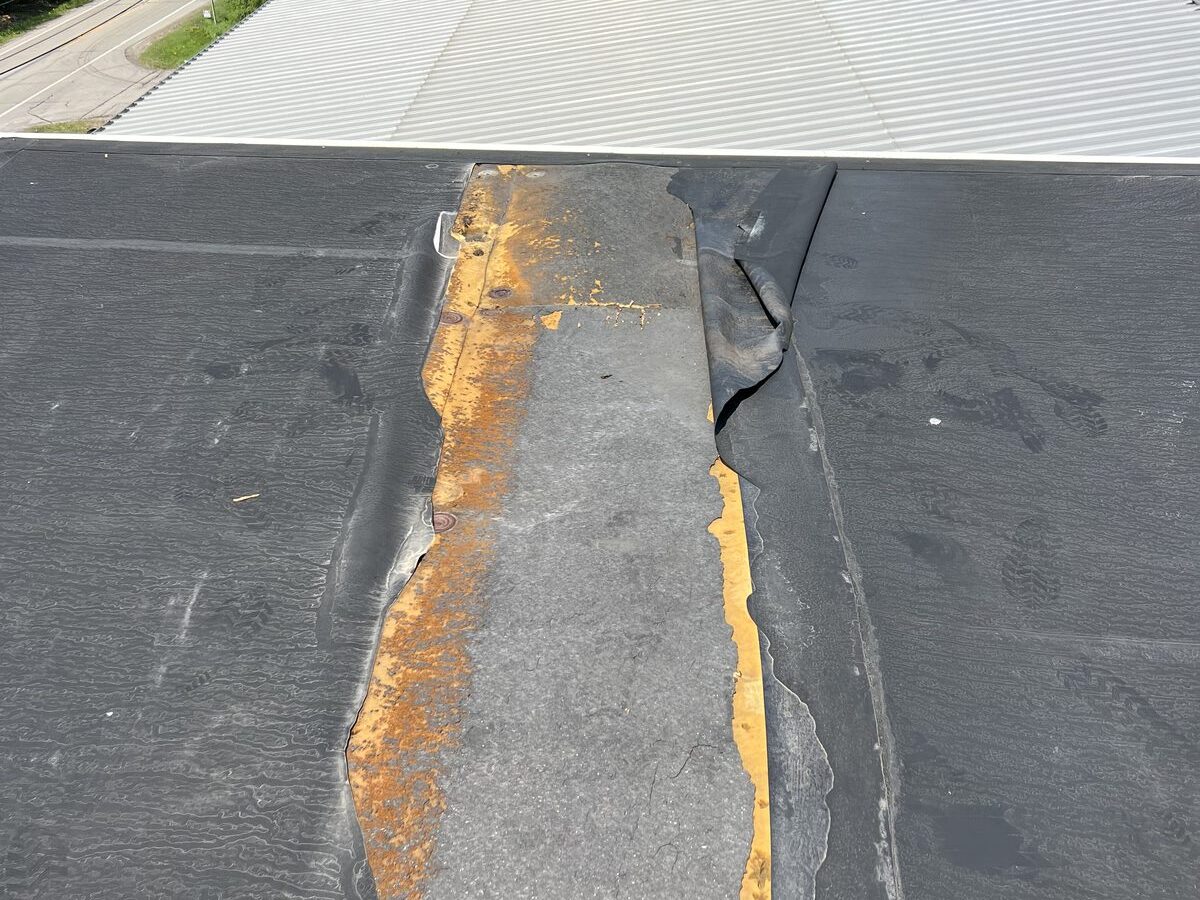
Not every leak means a new roof. Our repair crews fix open seams, failed flashings, punctures, ponding areas and storm damage on every type of commercial roof, and they document what they find so you know exactly what was done.

  • Leak diagnosis with photo documentation
  • Seams, flashings, penetrations and metal edge
  • Emergency response for active leaks
  • Repairs matched to the existing system and warranty
  • All membranes plus metal and coatings
  • Written report after every visit
Commercial Roof Repair by Borsche Roofing Professionals

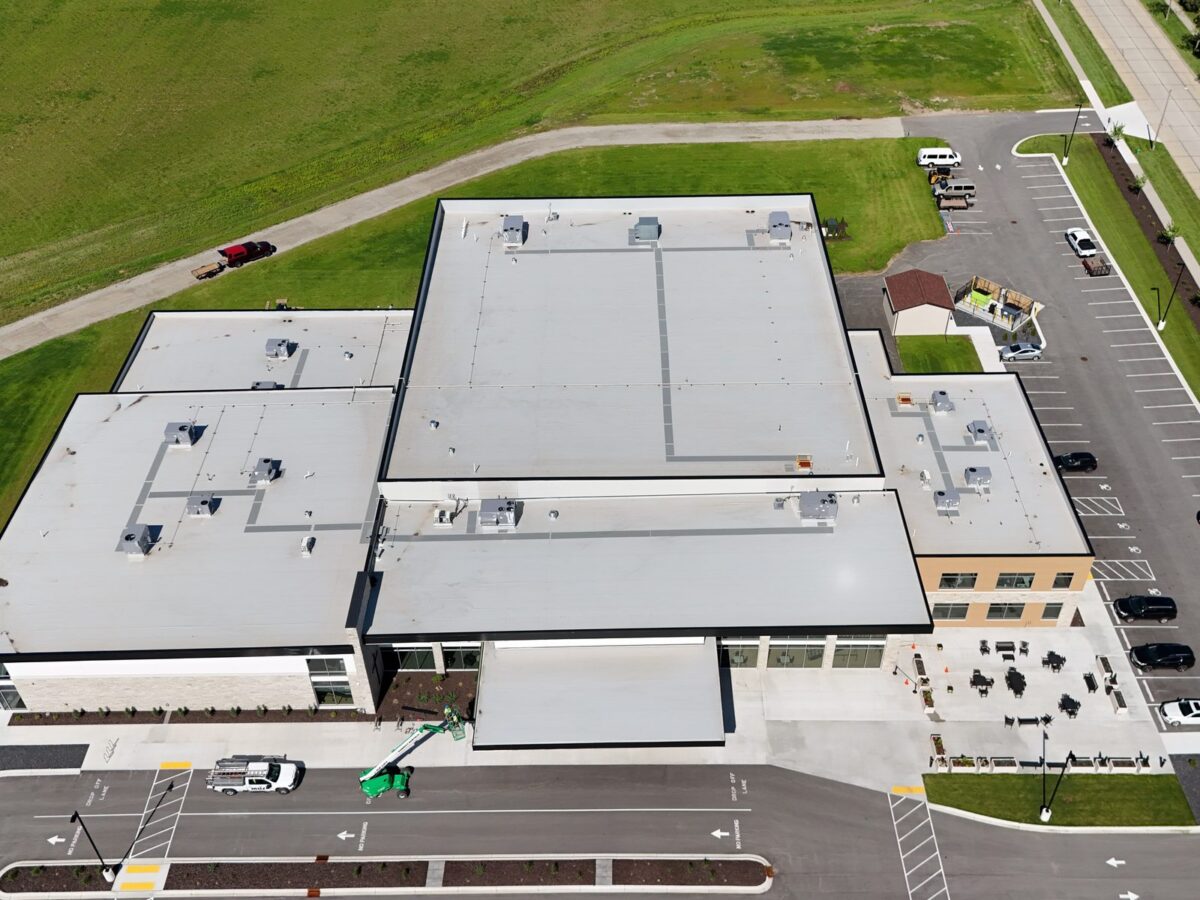
A commercial roof leak is a facilities problem and a business problem at the same time. Water over inventory, equipment, a classroom or a patient room needs to stop today, and the repair needs to hold. Borsche Roofing Professionals repairs commercial and industrial roofs across Northeast Wisconsin with crews who have seen every type of failure a Wisconsin roof can produce.

Common Commercial Roof Repairs

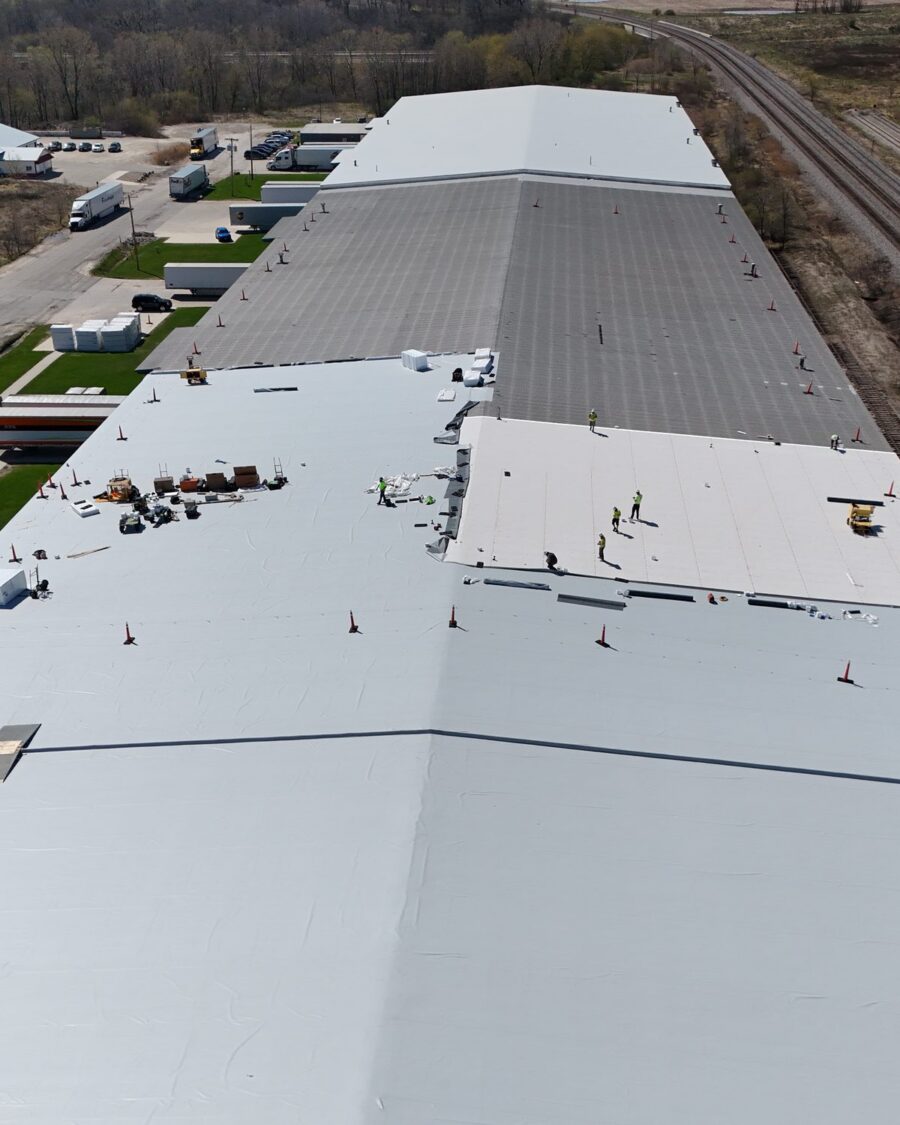
Most of the repairs we make fall into a few categories. Seam failures on single-ply membranes, where the welded or taped seam has opened. Flashing failures at rooftop units, curbs, pipes, skylights and parapet walls, which account for the majority of leaks on any roof. Punctures from dropped tools, hail, HVAC service or debris. Ponding water that has degraded the membrane or found a low seam. Metal edge and coping with open joints or loose fasteners. And metal roof leaks at fasteners, laps and penetrations.

Repairs on Every Roof System

We repair Thermoplastic Polyolefin (TPO), Ethylene Propylene Diene Monomer (EPDM), Polyvinyl Chloride (PVC), modified bitumen, built-up and metal roofs, and we carry the manufacturer-approved materials for each so the repair is compatible with the existing system. That matters: the wrong sealant or membrane patch on the wrong roof fails within a season and can void the warranty.

Diagnosis Comes First

The mistake most building owners see from roofers is a patch placed above the drip without finding the real source. Water travels. We start inside, trace the path back to the roof, inspect the whole area upslope and test for moisture in the insulation. Then we fix what we found, not what we guessed.

Documentation You Can Use

Every repair comes with photos of the problem and the finished repair, and a short report. For property managers and owners with several buildings, that record becomes the maintenance history that drives budgeting. For storm-related damage it is the documentation an insurance adjuster needs.

Repair or Replace? An Honest Answer

Repairs make sense while the roof is fundamentally sound. When the insulation is saturated across large areas or seams are failing everywhere, repairs become a subscription to a roof that is finished. We tell you when that point has arrived and what the alternatives cost, and we are just as happy to repair a roof for another five years when that is the right call.

Stop the Next Leak Before It Starts

Most of the repairs we make would have been caught by a twice-a-year maintenance inspection. If your roof is more than a few years old and has never been on a maintenance schedule, ask about our preventative maintenance program when you call.
How It Works

The Roof Repair Process

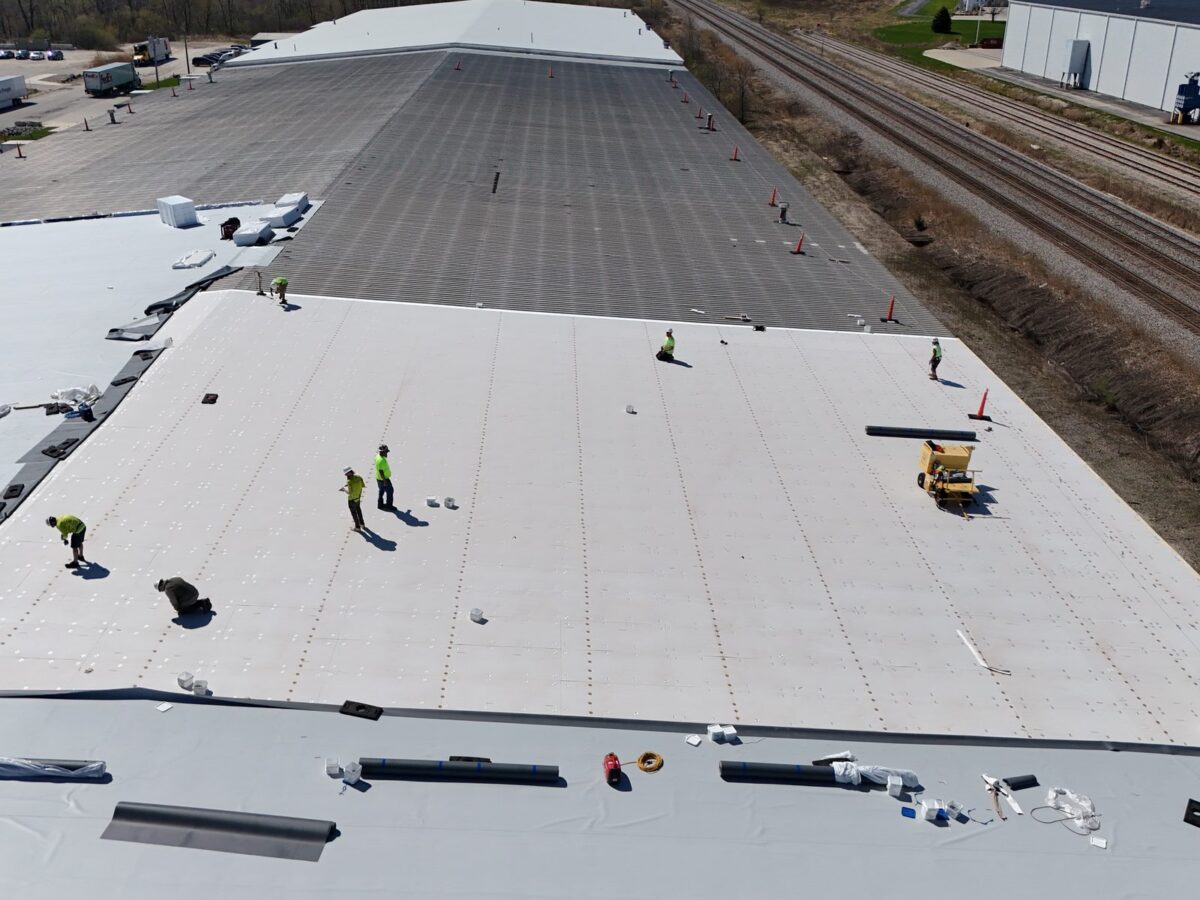
  1. 01

    Call the office

    Describe where the water is showing up inside and when. Active leaks get scheduled first.

  2. 02

    Trace the leak

    We inspect the area above and around the leak, check every seam and detail, and use moisture testing when the source is not obvious.

  3. 03

    Repair and document

    Most repairs are completed on the first visit. You get photos of the problem and the fix.

  4. 04

    Recommend next steps

    If we see a pattern that points to a larger issue, we tell you, along with what it would cost to address it.

Every Major System

Systems We Use for Roof Repair

Compare All Systems

Thermoplastic Polyolefin (TPO)

White, heat-welded single-ply membrane. Reflective, puncture resistant and the most common choice for new and replacement roofs on warehouses, plants and offices.

Best for: Large open roofs, cooling savings Learn more

Ethylene Propylene Diene Monomer (EPDM)

Black synthetic rubber with decades of history in cold climates. Very flexible through freeze-thaw cycles; available white for reflectivity.

Best for: Roofs with many details, long-term flexibility Learn more

Polyvinyl Chloride (PVC)

Heat-welded membrane that resists grease, oils and chemicals. The right system over kitchens, food processing and manufacturing exhaust.

Best for: Restaurants, food processors, chemical exposure Learn more

Modified Bitumen

Multi-ply asphalt system with a granulated cap sheet. Tough under heavy foot traffic and rooftop equipment service.

Best for: Roofs with heavy maintenance traffic

Built-Up Roofing (BUR)

The traditional tar-and-gravel roof: alternating plies of asphalt and reinforcing felt topped with gravel or a cap sheet. Thick, redundant and proven.

Best for: Redundant waterproofing, older buildings

Metal Roofing

Standing seam and pre-engineered metal panels for sloped and architectural roofs. Long service life with minimal maintenance.

Best for: Sloped roofs, schools, municipal buildings

Why Choose Borsche

A Roofing Partner
You Can Count On.

For more than 80 years, we've delivered workmanship, integrity and service that businesses rely on.

Learn More
  • 80+ Years of Experience
  • Skilled, Certified
    Roofing Professionals
  • Safety
    First Approach
  • Locally Owned
    & Operated

Good to Know

Roof Repair FAQs

Ready to talk about your roofing project?

Let's build a solution that lasts.

Get a Quote