
Roofing 101
Commercial Roofing Systems
What TPO, EPDM and PVC roofing systems are, how they differ and which one fits your building.
Which Roofing System Is Right for Your Building?
Every low-slope commercial roof in Wisconsin has to handle the same things: snow load, ice at the drains and edges, hail, 140-degree swings between January and July, and whatever the building puts into the air. The systems below handle those things differently. Thermoplastic Polyolefin (TPO), Ethylene Propylene Diene Monomer (EPDM) and Polyvinyl Chloride (PVC) are single-ply membranes that differ in seams, color and chemical resistance. Modified bitumen and Built-Up Roofing (BUR) are multi-ply asphalt systems that trade a thicker, more redundant roof for more weight and a longer install. Metal panels suit sloped and architectural roofs.
Borsche Roofing Professionals has experience with all of them and with the major national brands, and we match the system to the building rather than the other way around. Read about each one below, then ask for a free estimate and we will tell you which fits your roof and why.
 TPO
TPO Roofing
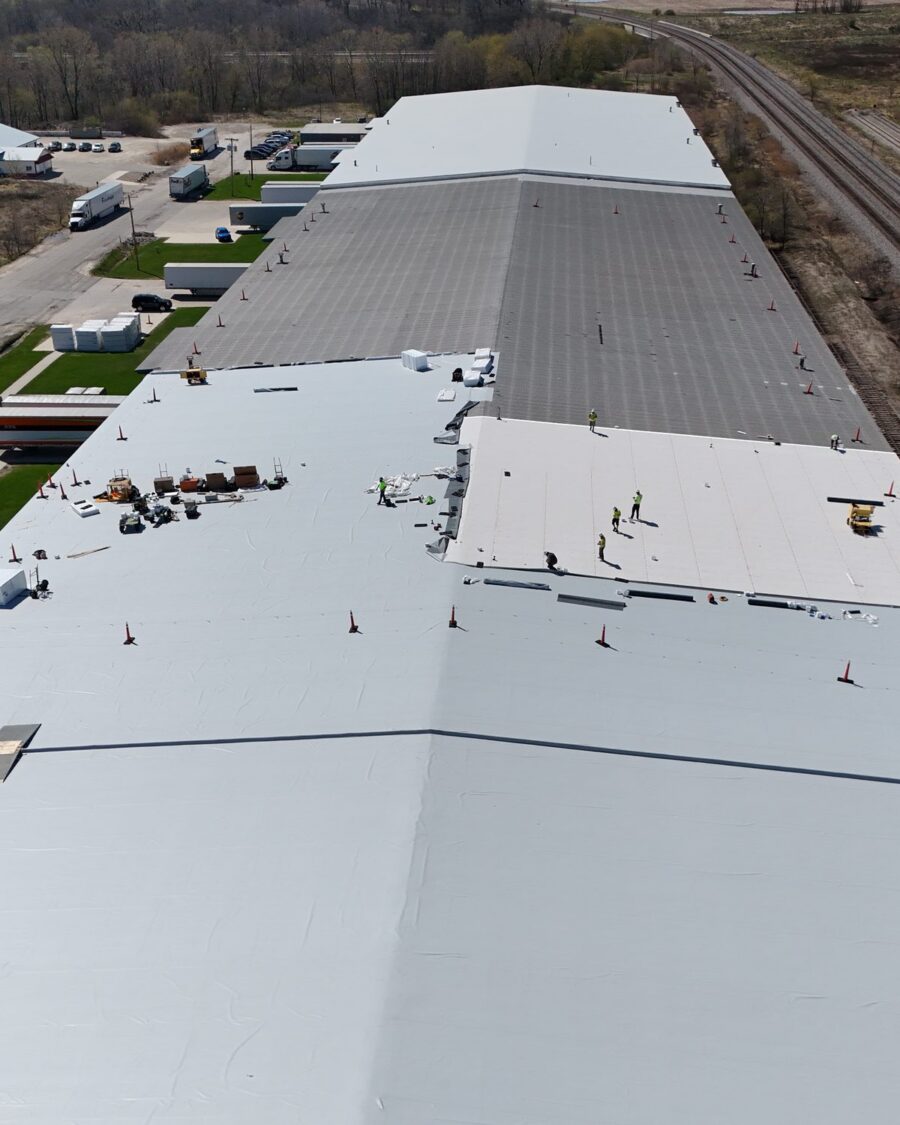
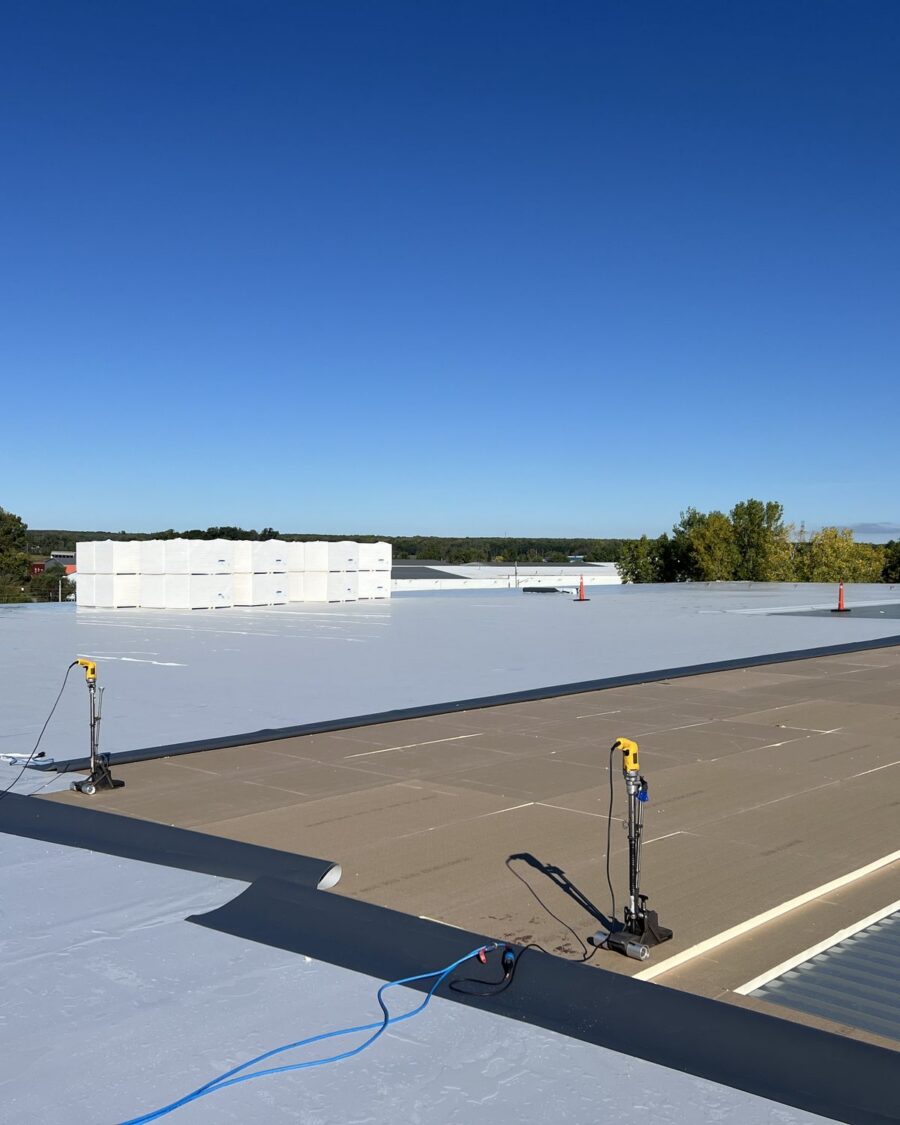
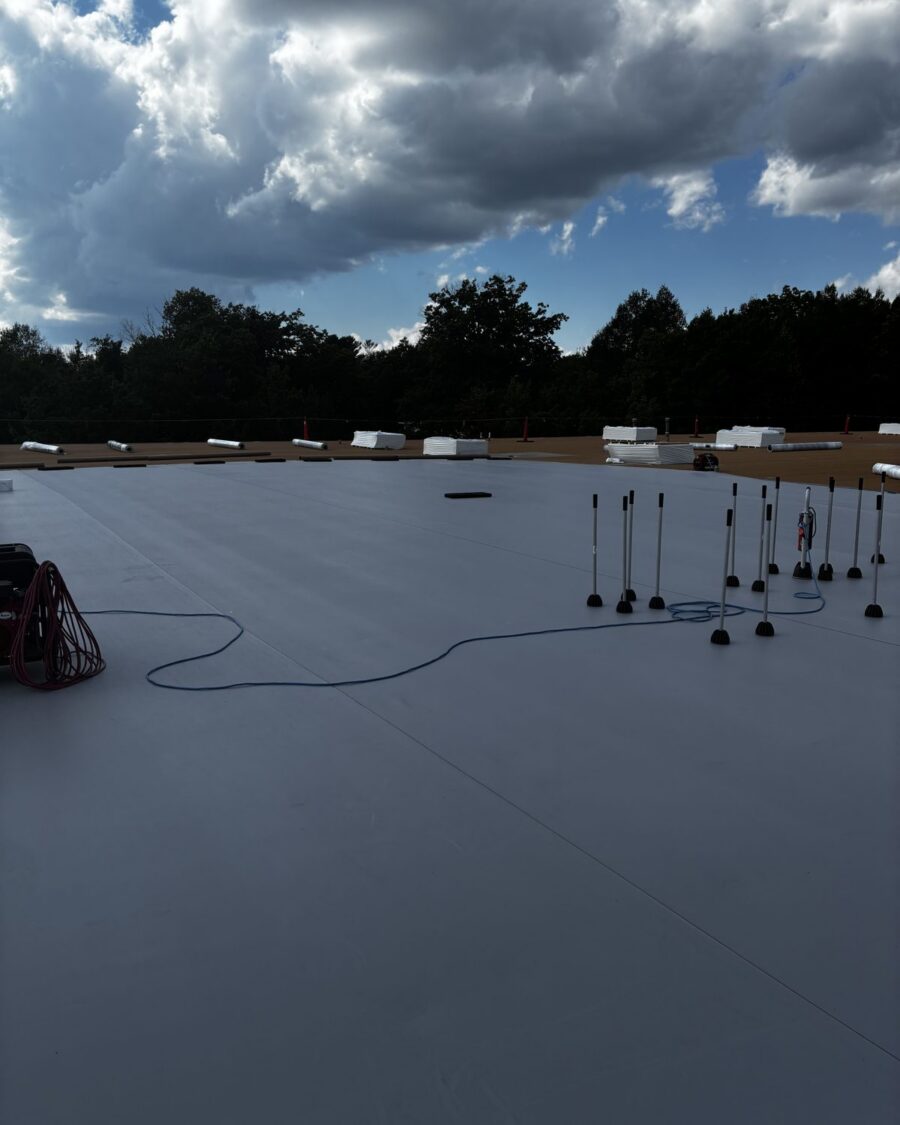
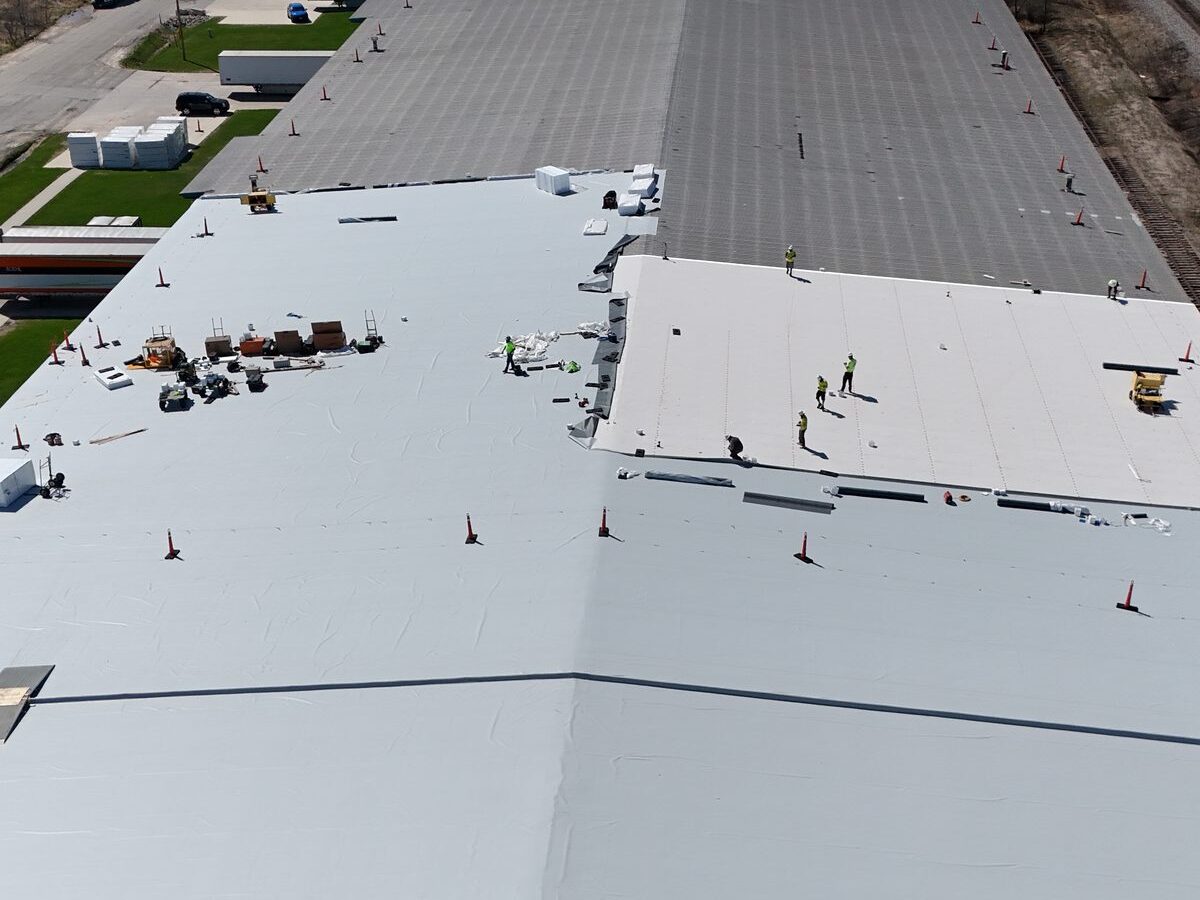
Thermoplastic Polyolefin A white, heat-welded single-ply membrane that reflects summer heat and handles hail, foot traffic and Wisconsin freeze-thaw cycles well.
Learn More
 EPDM
EPDM Roofing
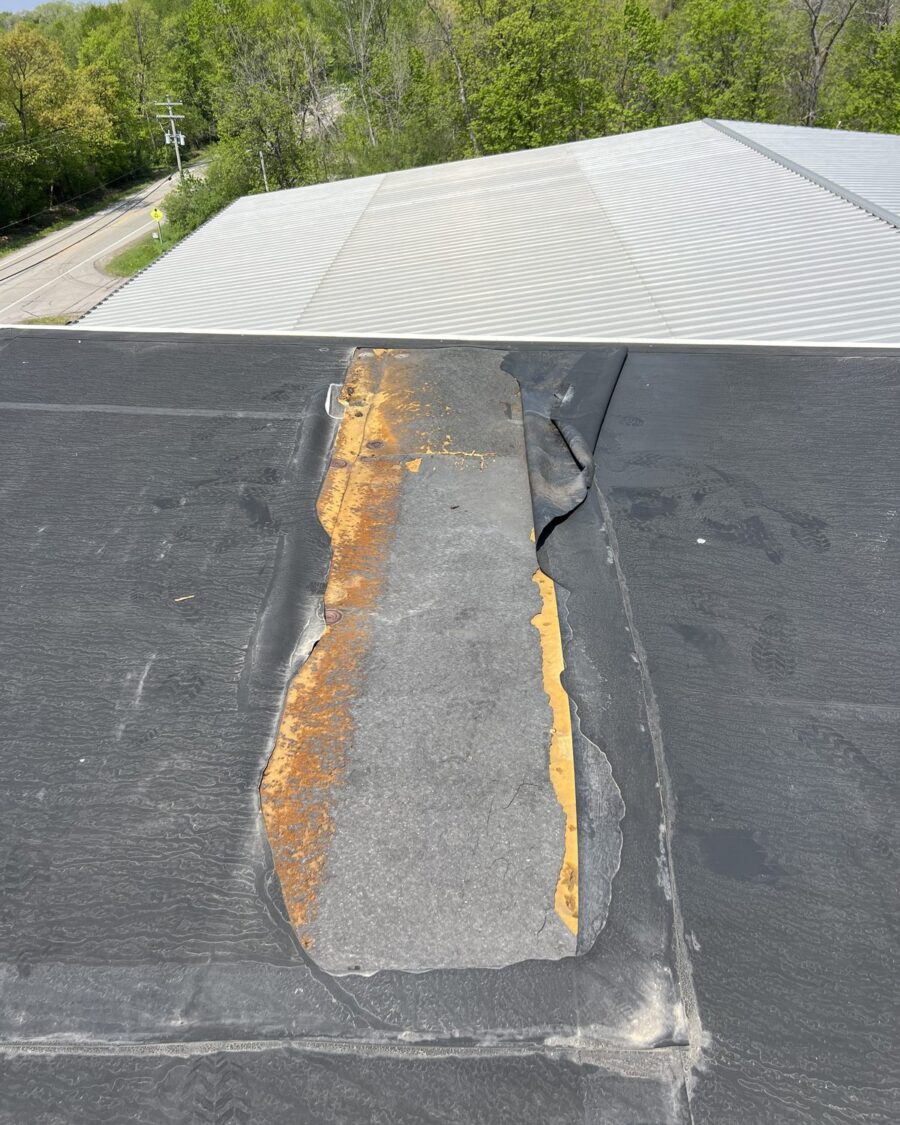
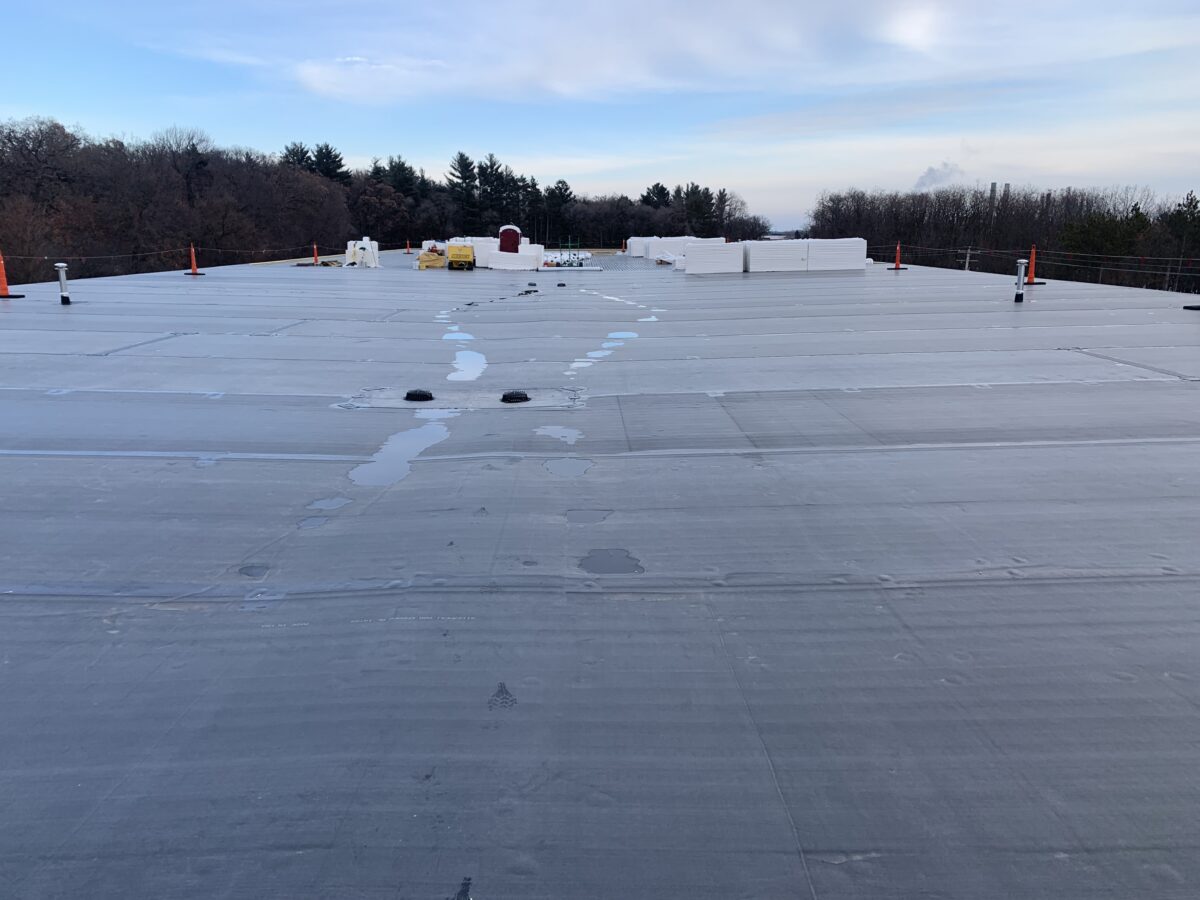
Ethylene Propylene Diene Monomer A black synthetic rubber membrane with five decades of cold-climate history, valued for flexibility through freeze-thaw cycles and simple repairs.
Learn More
 PVC
PVC Roofing
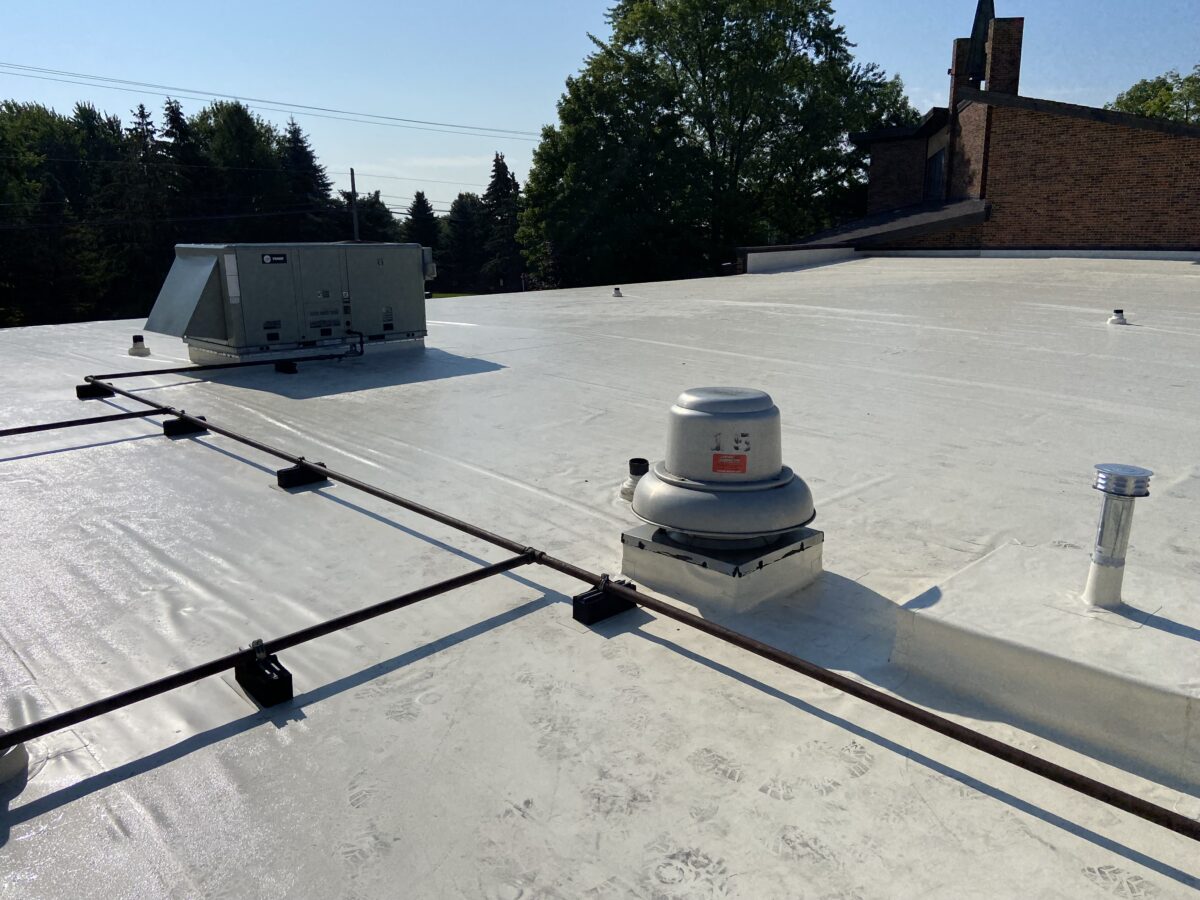
Polyvinyl Chloride A heat-welded white membrane with the best grease and chemical resistance of the single-ply systems, suited to restaurants and manufacturing.
Learn More
Side by Side
Comparing Commercial Roofing Systems
| TPOThermoplastic Polyolefin | EPDMEthylene Propylene Diene Monomer | PVCPolyvinyl Chloride | |
|---|---|---|---|
| Material | Single-ply Thermoplastic Polyolefin (TPO) sheet, polyester scrim reinforced | Ethylene Propylene Diene Monomer (EPDM) synthetic rubber sheet, reinforced or non-reinforced | Polyvinyl Chloride (PVC) thermoplastic sheet with polyester or fiberglass reinforcement |
| Seams | Hot-air welded, typically 1.5 inch minimum weld | Primer and factory seam tape or splice adhesive, typically 3 inch tape | Hot-air welded, typically 1.5 inch minimum weld |
| Attachment | Mechanically fastened, fully adhered or induction welded | Ballasted, fully adhered or mechanically fastened | Mechanically fastened, fully adhered or induction welded |
| Color / reflectivity | White standard, gray and tan available; high solar reflectance | Black standard, white available; low reflectance in black | White standard, gray and tan available; high solar reflectance |
| Typical service life | Typically 20 to 30 years with maintenance | Typically 20 to 30 years with maintenance | Typically 20 to 30 years with maintenance |
| Common thickness or plies | Typically 45, 60 or 80 mil | Typically 45, 60 or 90 mil | Typically 50, 60 or 80 mil |
Service life ranges are typical industry figures and depend on the installation, the roof's details and how it is maintained. Ask us for a free estimate and we will recommend the system that fits your building.
Why Choose Borsche
A Roofing Partner
You Can Count On.
For more than 80 years, we've delivered workmanship, integrity and service that businesses rely on.
Learn More- 80+ Years of Experience
-
Skilled, Certified
Roofing Professionals -
Safety
First Approach -
Locally Owned
& Operated