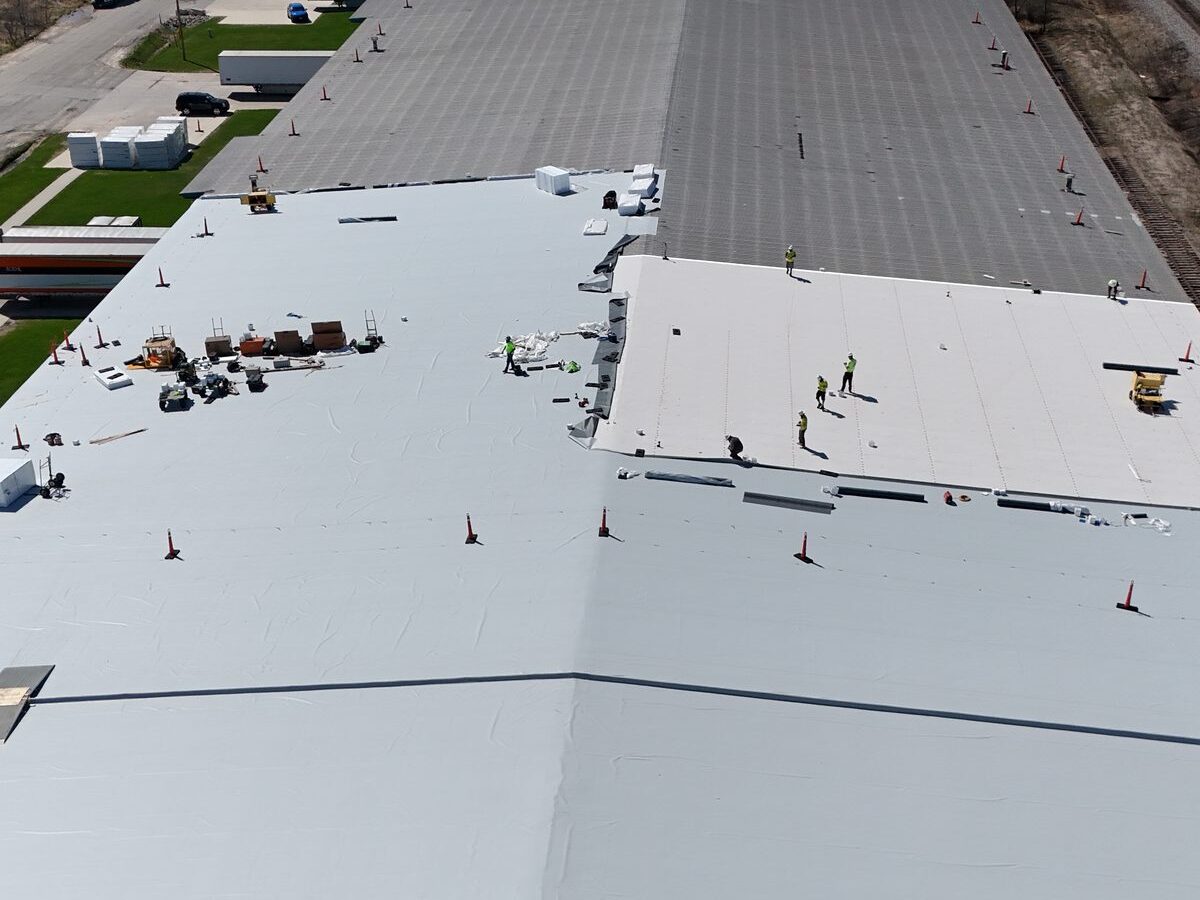
Thermoplastic Polyolefin (TPO) roofing is the white single-ply membrane you see on most warehouses, schools and office buildings built in the last twenty years. It is light, reflective, competitively priced and, when the seams are welded correctly, extremely durable. This page explains what the material is, how it goes on a roof, and when it is the right choice for a commercial building in Wisconsin.
What Is Thermoplastic Polyolefin (TPO) Roofing?
TPO is a thermoplastic sheet made from polypropylene and ethylene-propylene rubber, reinforced with a polyester scrim and produced in rolls up to 16 feet wide. “Thermoplastic” means the material softens when heated and hardens again when it cools, which is what allows the seams to be welded with hot air into a single, continuous surface. The membrane contains no plasticizers, so it does not stiffen as plasticizers migrate out over time, a problem that affected some older vinyl roofs. TPO is commonly manufactured in 45, 60 and 80 mil thicknesses; the thicker sheets carry more material over the scrim and generally last longer.
How a TPO Roof Is Installed
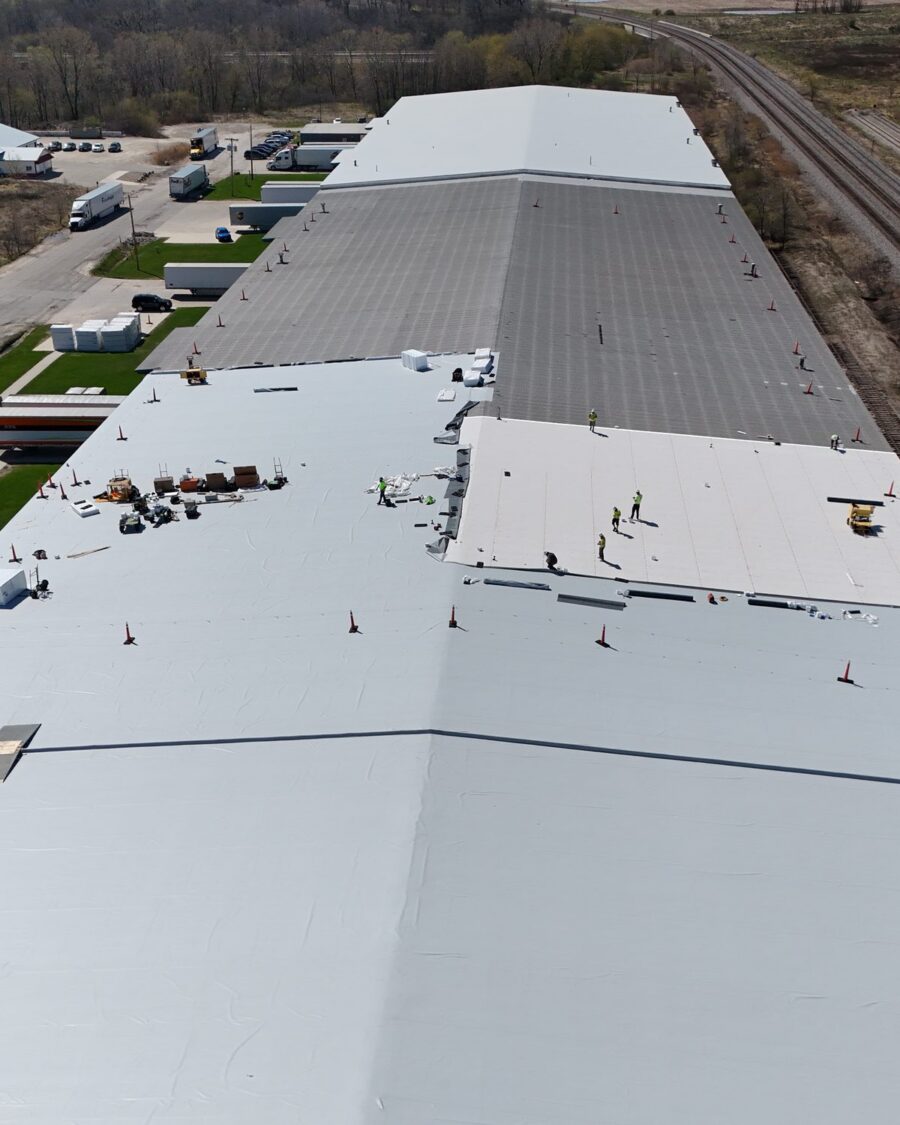
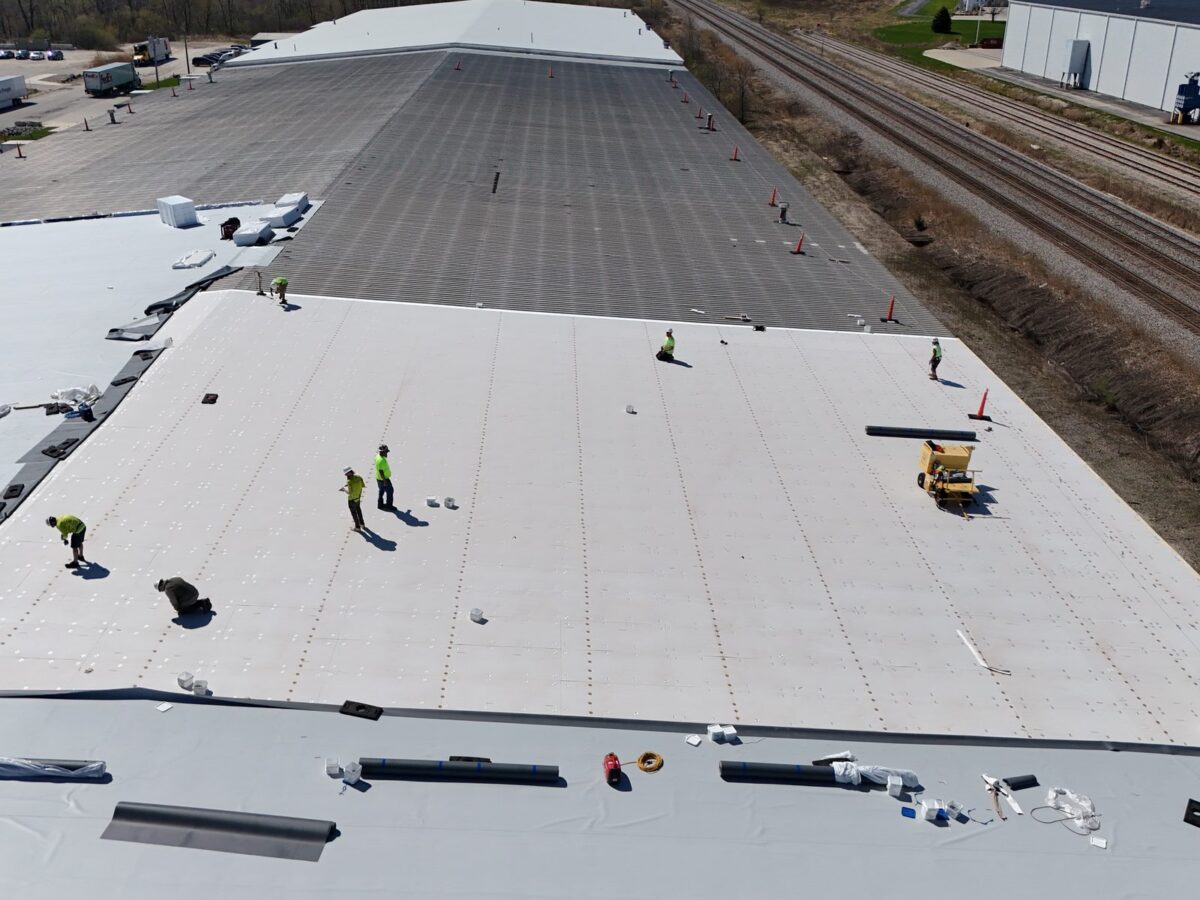
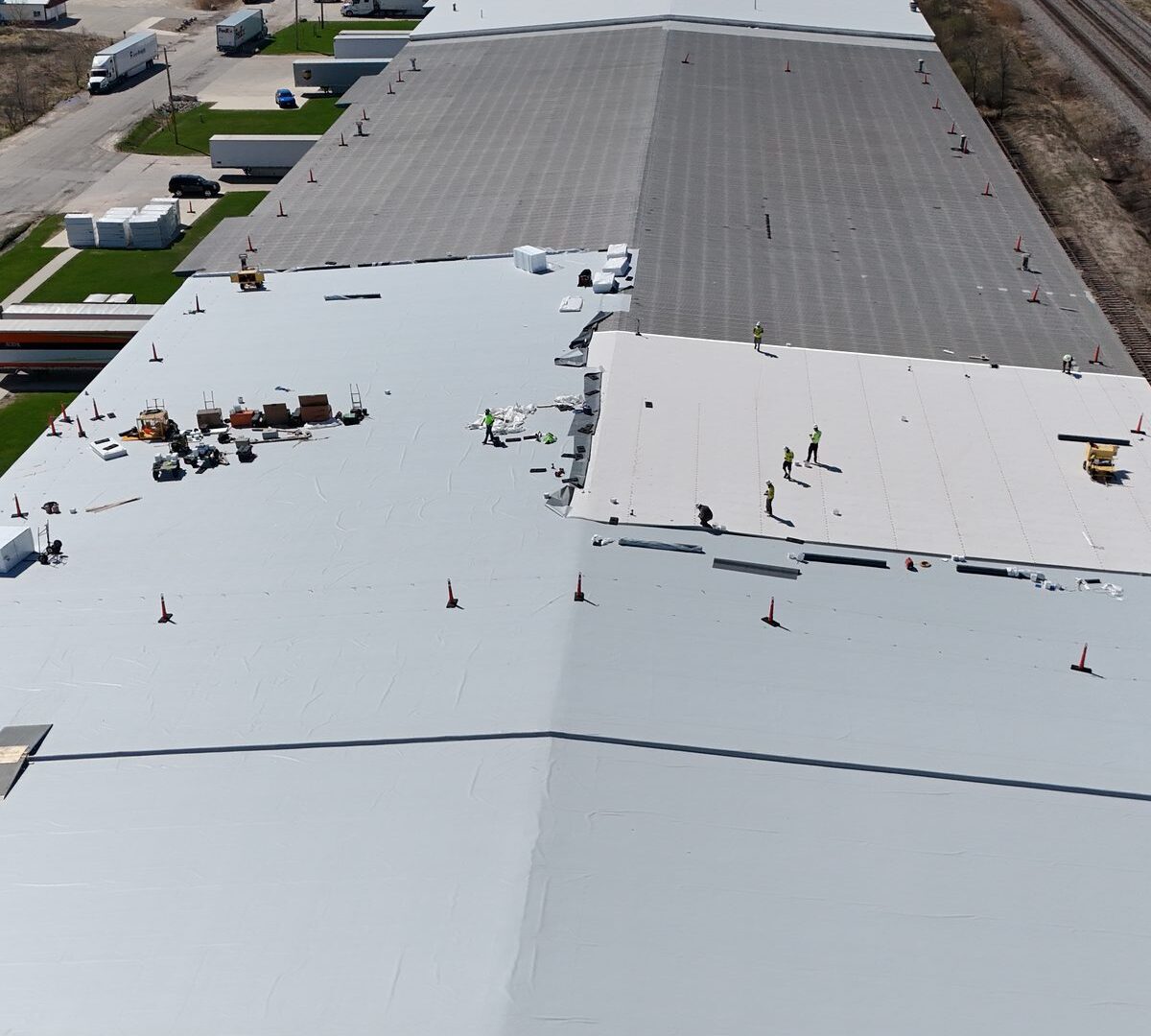
Installation begins with the substrate. On a replacement, the old roof is removed to the deck, wet insulation is discarded and new polyisocyanurate insulation is installed, often in two layers with staggered seams so there is no continuous joint for heat to escape through. A cover board goes over the insulation on many projects to improve hail and puncture resistance. The membrane is then attached in one of three ways: mechanically fastened, where screws and plates through the seams hold the sheet down; fully adhered, where the sheet is bonded to the substrate with adhesive; or induction welded, where the sheet is welded from above to specially coated plates. Seams are joined with a robotic hot-air welder and every weld is probed. Flashings at walls, curbs and penetrations use the same membrane and the same welding, so the details are as strong as the field.
Why TPO Works in Wisconsin
A commercial roof in Northeast Wisconsin lives through a 140-degree temperature swing between January and July, dozens of freeze-thaw cycles, heavy snow load, ice at every drain and edge, and hail most summers. TPO handles this well. The membrane stays flexible in cold weather, and a welded seam does not depend on an adhesive that can lose its grip after years of thermal movement. The white surface reflects most of the summer sun, which lowers rooftop temperatures and the load on air-conditioning equipment. In winter the reflectivity matters less than the insulation underneath, which is why the two-layer insulation package is as important to performance as the membrane.
TPO vs. EPDM vs. PVC
Ethylene Propylene Diene Monomer (EPDM) is the black rubber membrane that preceded TPO, with a longer track record in cold climates and excellent flexibility, but its seams are taped or glued rather than welded and its dark surface absorbs heat. Polyvinyl Chloride (PVC) is also white and heat welded, and it offers better resistance to grease, oils and chemicals, which makes it the preferred choice for restaurants and some manufacturing. TPO generally costs less than PVC and about the same as reinforced EPDM, and it offers welded seams and reflectivity that EPDM does not. For a typical warehouse, school or office, TPO is usually the most cost-effective of the three.
Best Applications
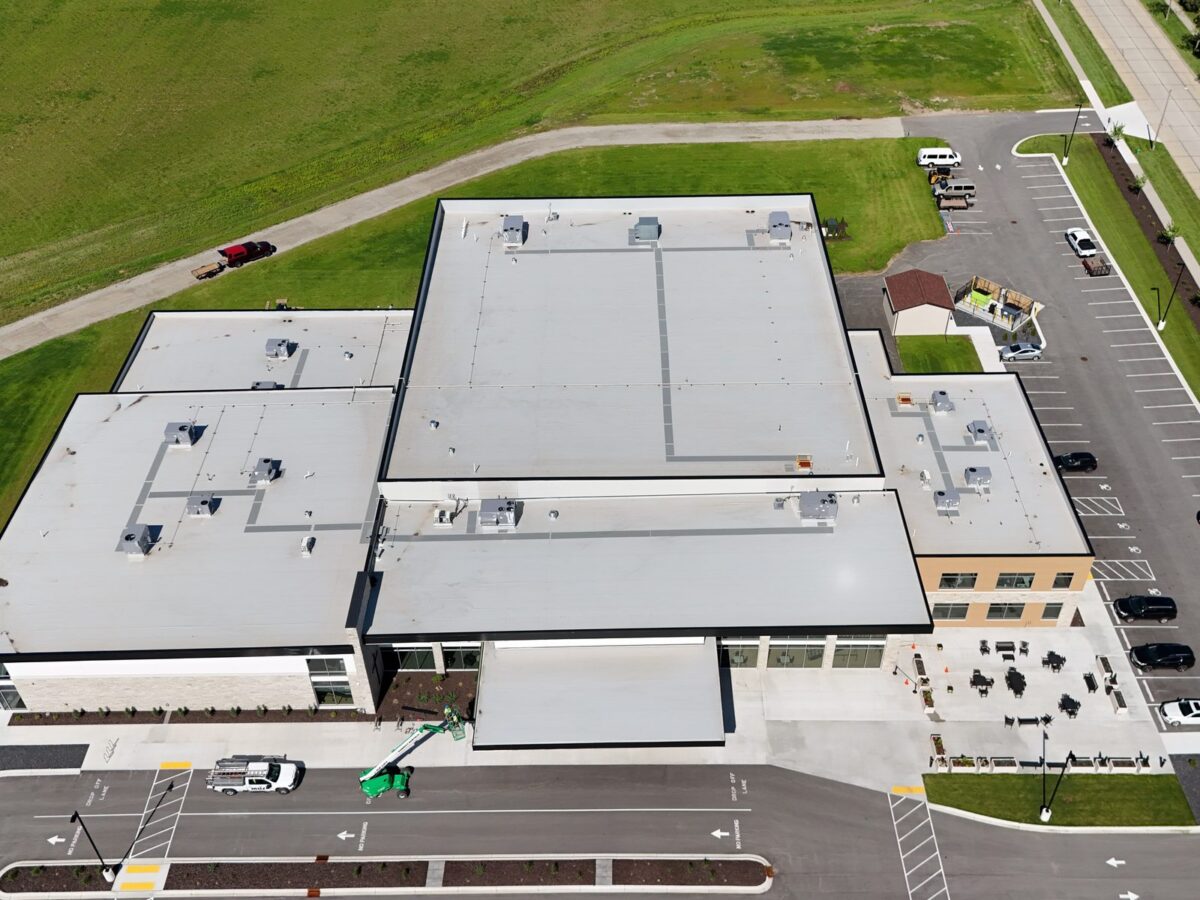
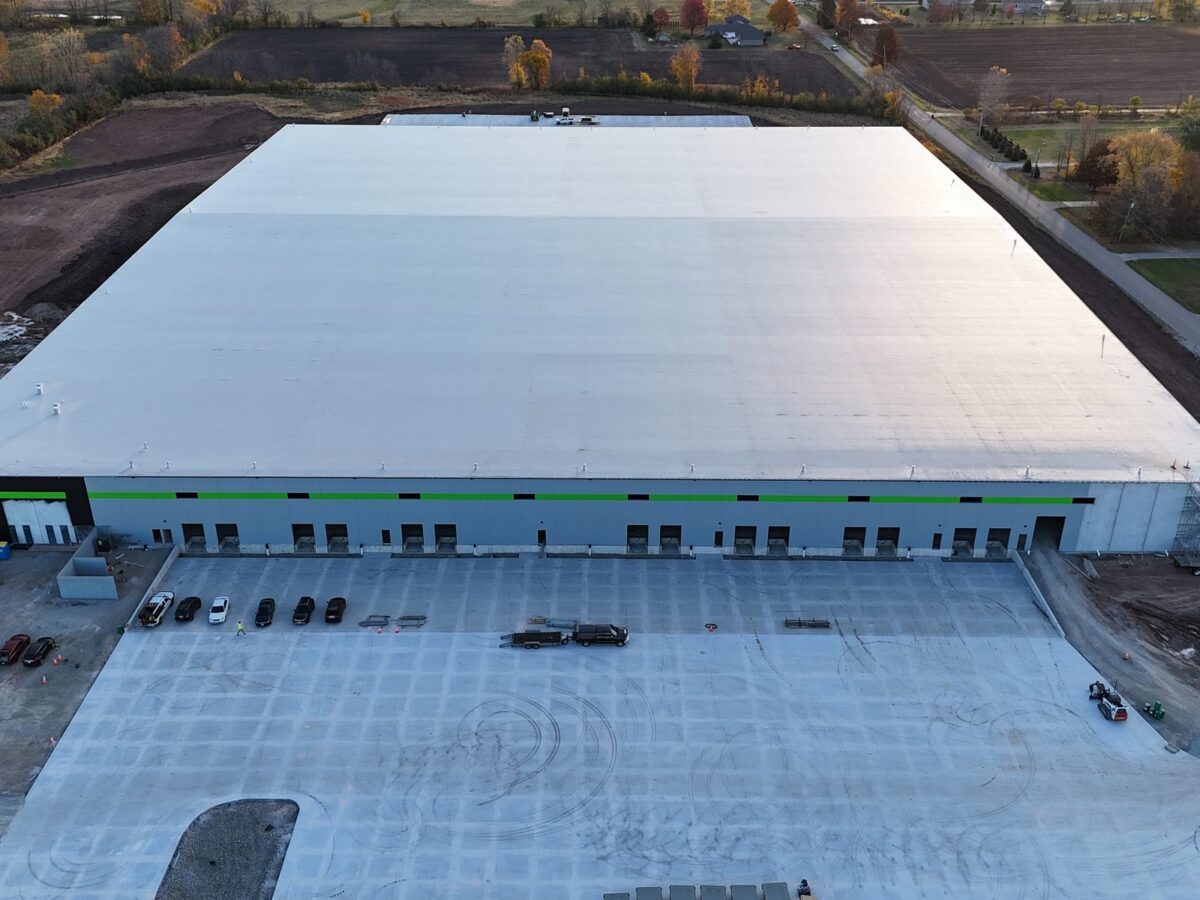
TPO is a strong fit for large open roofs where mechanically fastened installation keeps cost down, for air-conditioned buildings where reflectivity pays back every summer, for new construction, and for recovers over an existing roof that is dry and sound. It is less suitable where kitchen exhaust or chemical discharge lands on the roof; there, PVC is the better material.
Maintenance and Repair
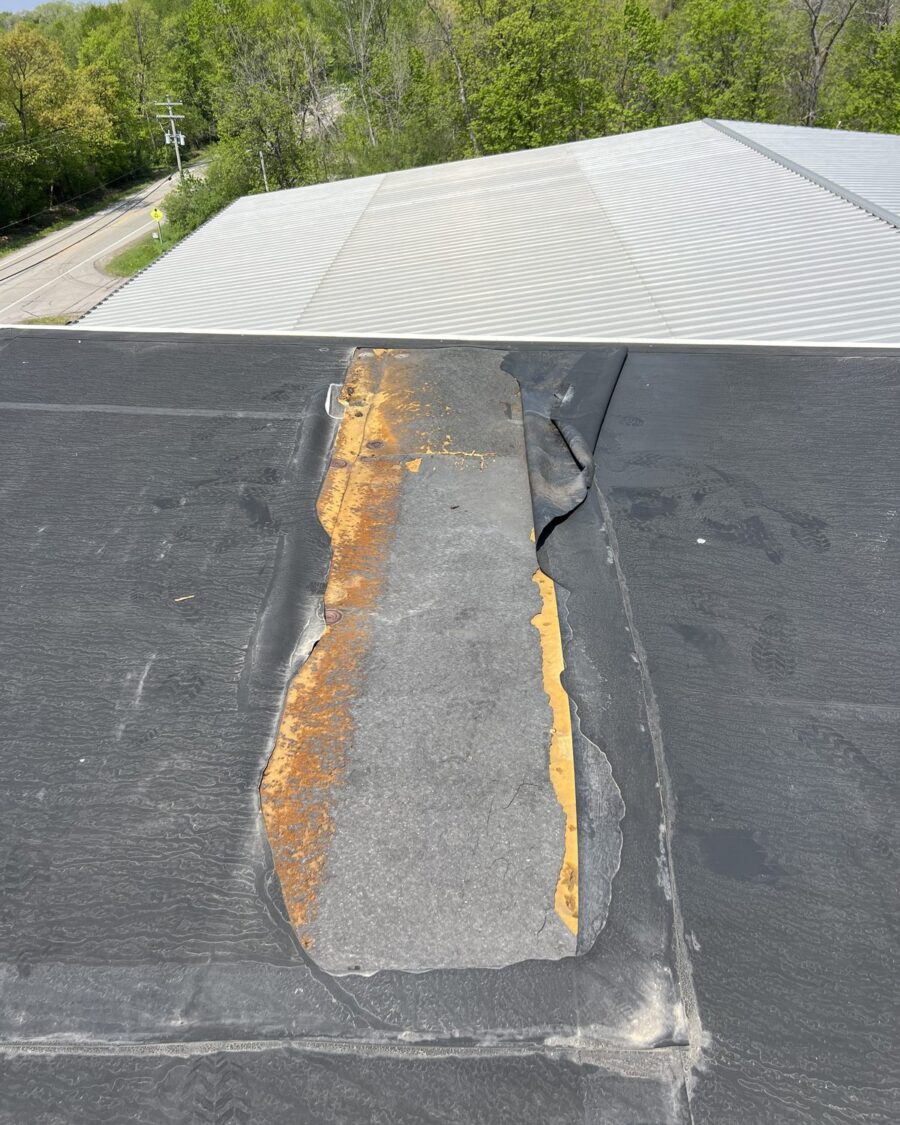
A TPO roof asks for little, but it does ask. Twice-a-year inspections keep drains clear, catch open welds and loose flashings while they are small, and document the roof’s condition for the manufacturer warranty. Repairs are straightforward: the damaged area is cleaned, a patch of the same membrane is welded over it and the weld is probed. Older TPO roofs may need surface preparation before a repair will weld well, which is one reason to have repairs done by a crew that works with the material every day.
Is TPO Right for Your Building?
For most low-slope commercial buildings in Northeast and Central Wisconsin, TPO is the first system worth pricing. Borsche Roofing Professionals has worked with TPO alongside EPDM, PVC, modified bitumen, built-up and metal systems for decades, and we will tell you plainly which one fits your building, your budget and your plans for the property. Call for a free estimate and consultation and we will walk the roof with you.