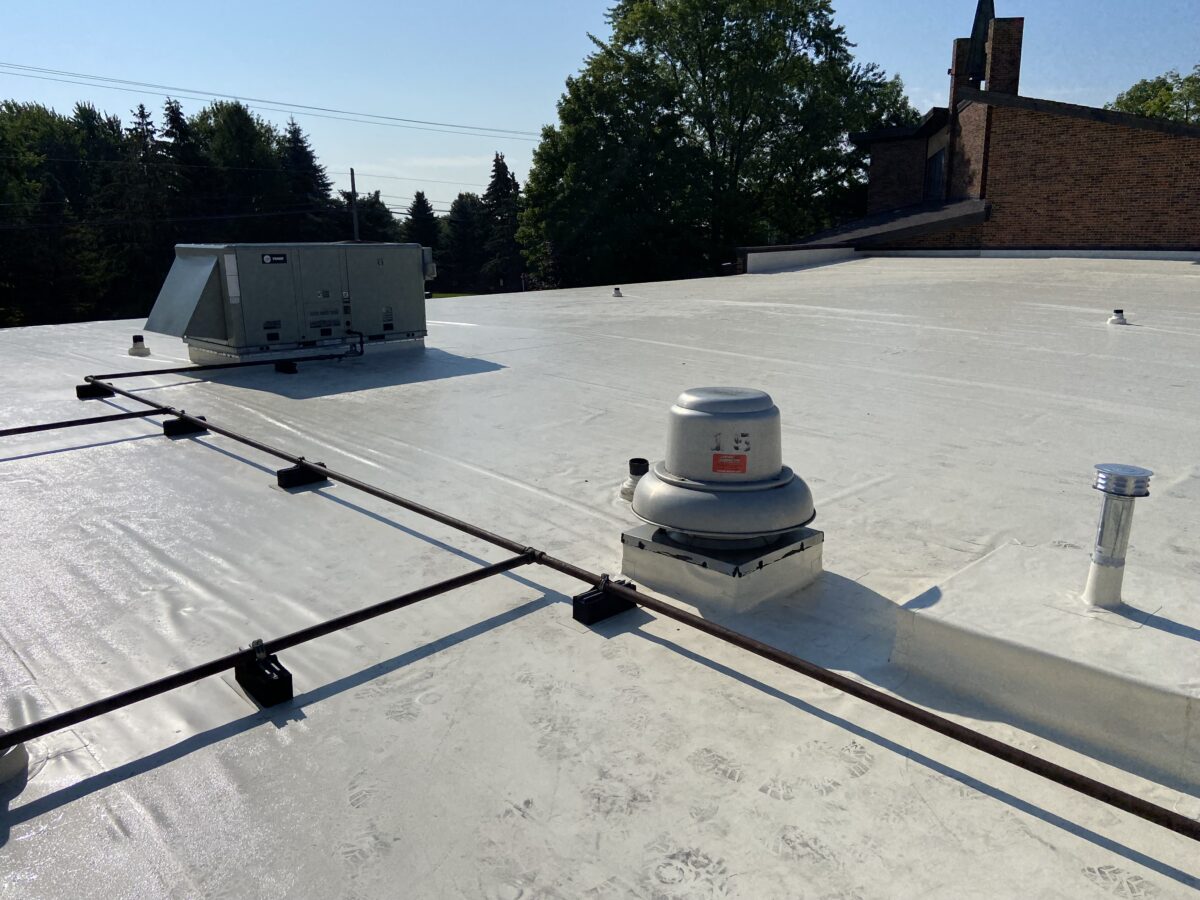
Polyvinyl Chloride (PVC) roofing is a reinforced, heat-welded thermoplastic membrane with one of the longest track records of any single-ply system, and it is the material of choice wherever grease, oils or chemicals land on a roof. This page explains what PVC is, how it is installed, how it compares to the other membranes and when it earns its higher price on a Wisconsin building.
What Is Polyvinyl Chloride (PVC) Roofing?
PVC membrane is made from vinyl resin blended with plasticizers for flexibility, stabilizers for ultraviolet resistance and pigments, then laminated over a polyester or fiberglass reinforcing scrim. It has been used on European roofs since the 1960s and on North American roofs since the 1970s. Like Thermoplastic Polyolefin (TPO), PVC is a thermoplastic: the seams are fused with hot air into a monolithic surface, and the membrane can be welded again years later for repairs and additions. Common thicknesses are 50, 60 and 80 mil. Some PVC products are made with a Ketone Ethylene Ester (KEE) modifier that improves long-term flexibility and chemical resistance.
How a PVC Roof Is Installed
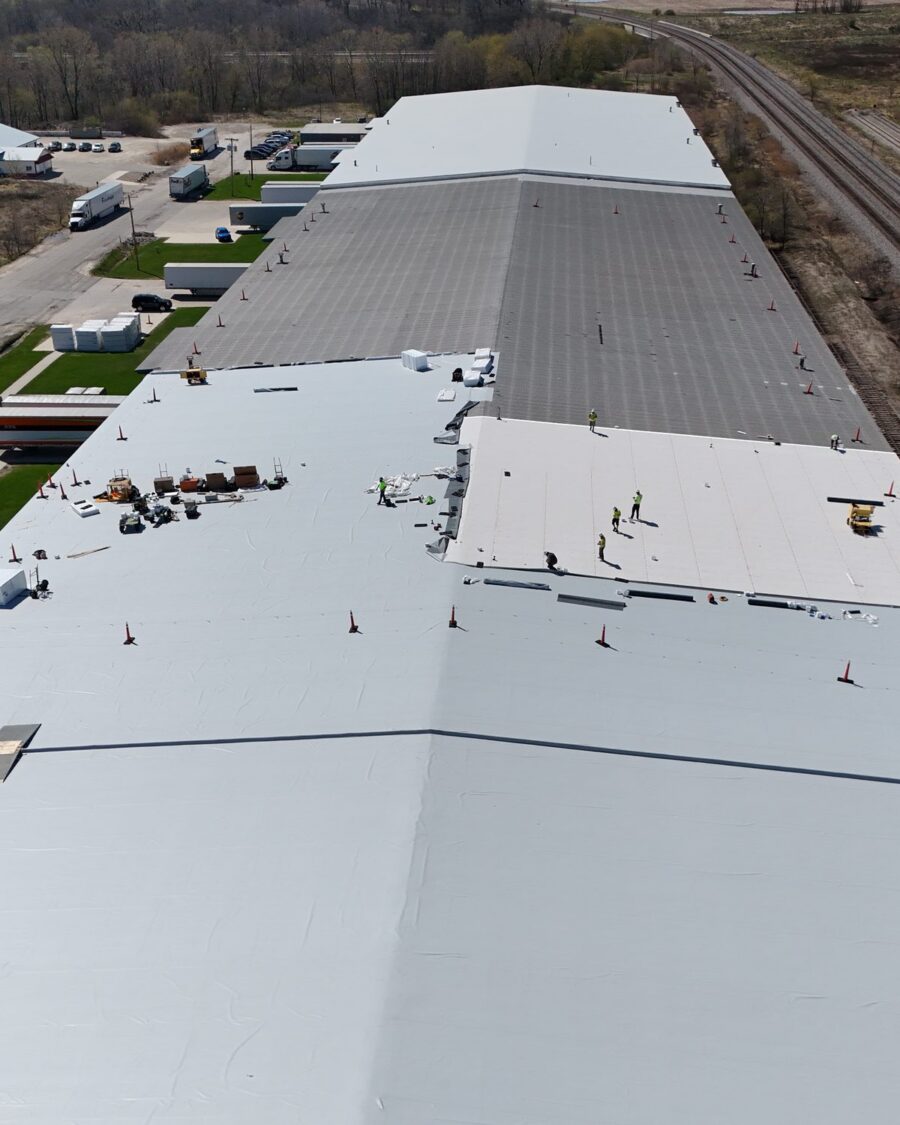
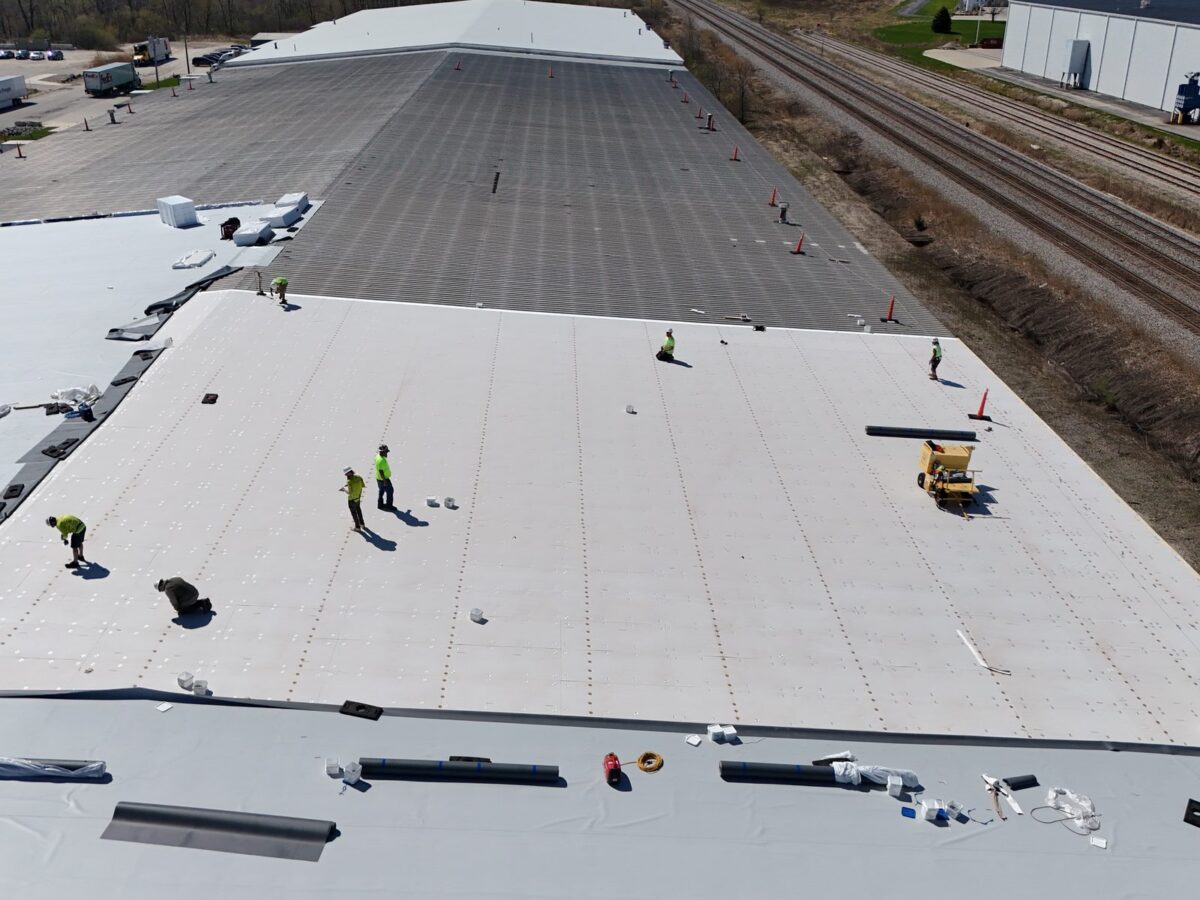
PVC is installed much like TPO. The deck is prepared, wet insulation is removed, and new polyisocyanurate insulation goes down in two layers with staggered seams, usually under a cover board. The membrane is mechanically fastened through the seams, fully adhered with a compatible adhesive or induction welded to plates. Seams are joined with a robotic hot-air welder and checked with a probe. Prefabricated corners, pipe boots and curb flashings in matching PVC speed the detailing and remove hand-cut seams from the places most likely to leak. One important difference: PVC must not touch asphalt, coal tar or Ethylene Propylene Diene Monomer (EPDM), so on a recover over an older asphalt-based roof a separator sheet is installed first.
Why PVC Works in Wisconsin
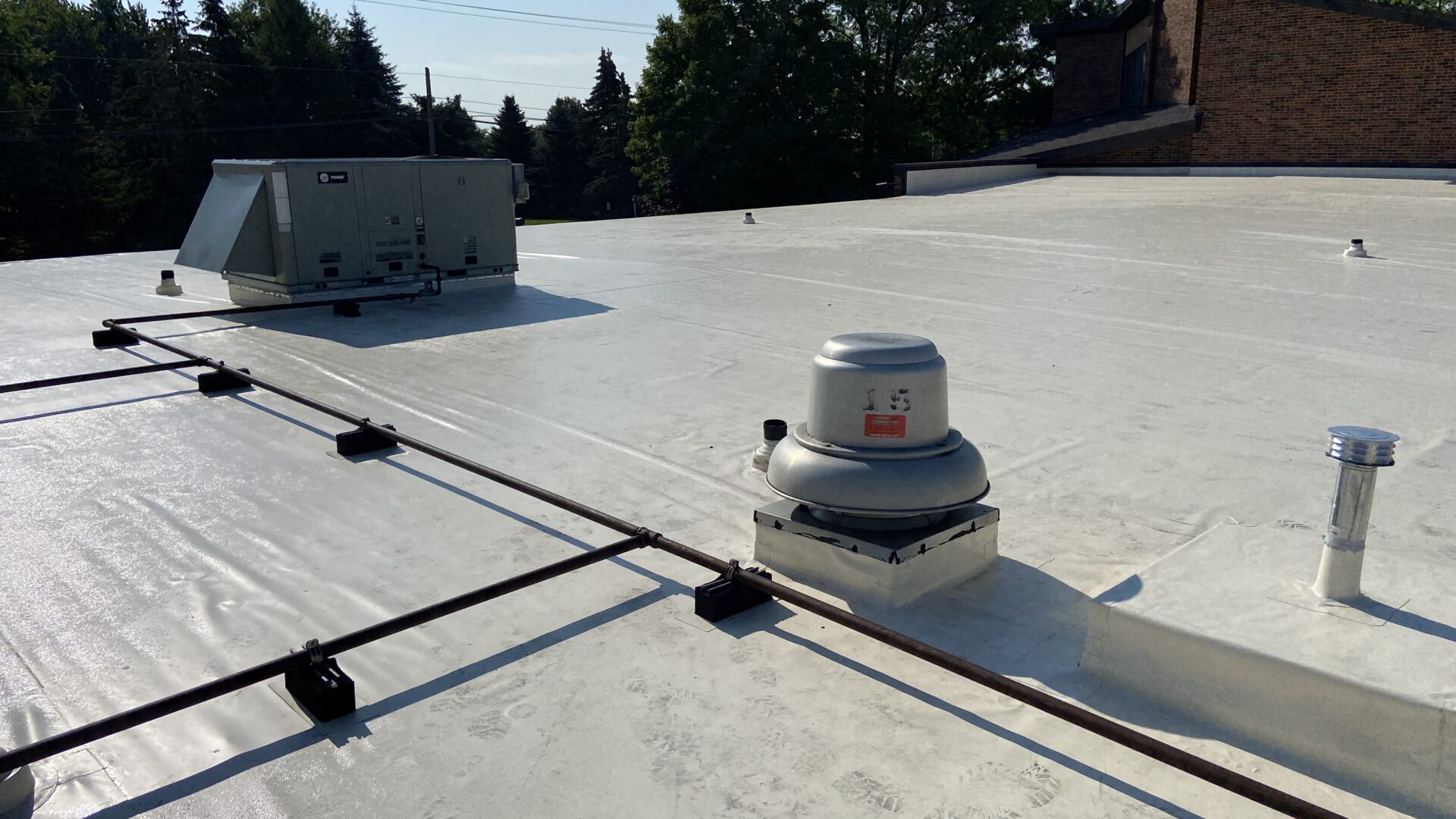
The welded seams are the strongest part of the roof, and they do not rely on an adhesive that can lose its grip through 140-degree annual temperature swings. The membrane stays flexible in the cold, and its white surface lowers rooftop temperatures and cooling loads through the summer. The real advantage of PVC in this region, though, is on buildings where the rooftop environment is hostile: restaurant exhaust in a strip center, oil mist above a machining floor, or chemical discharge from a process vent. Those exposures shorten the life of TPO and EPDM; PVC was formulated to take them.
PVC vs. TPO vs. EPDM
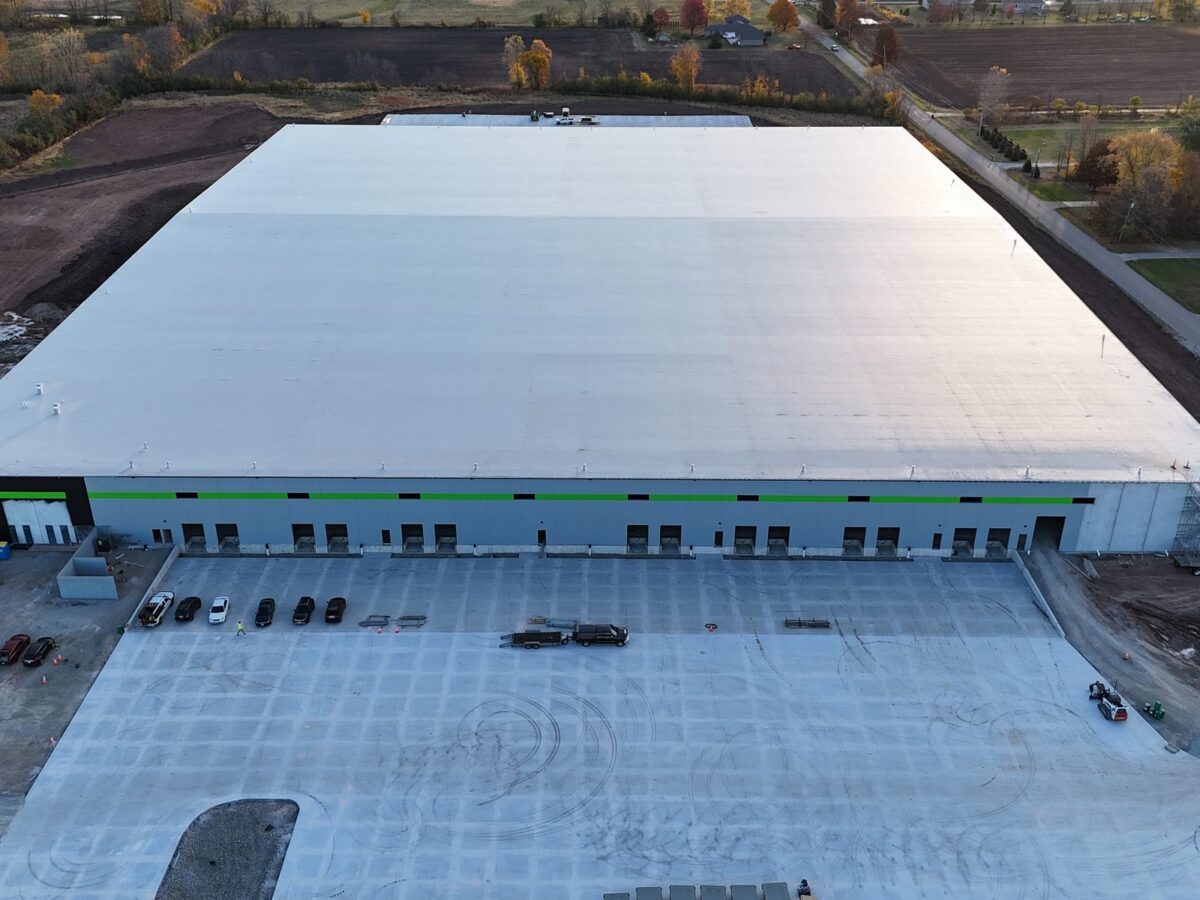
TPO is also white and welded, generally costs less and performs very similarly on an ordinary warehouse or office. PVC has the longer field history of the two thermoplastics and stays weldable longer as it ages, and it is clearly better in grease and chemicals. EPDM is a black rubber with taped seams and the longest cold-climate record; it costs less on large roofs but gives up welded seams, reflectivity and chemical resistance. The honest summary: PVC is the premium single-ply, and whether the premium is worth it depends on what lands on the roof and how long you plan to own the building.
Best Applications
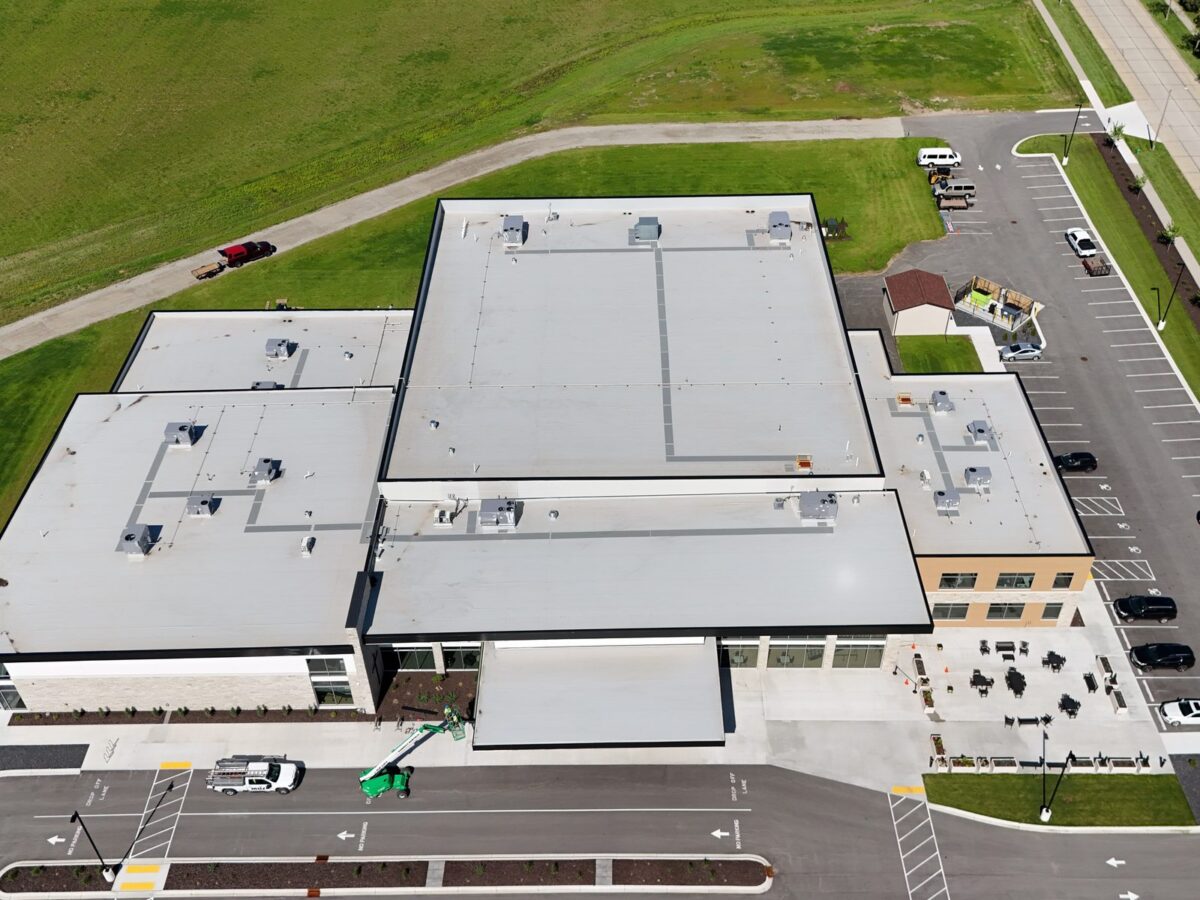
Restaurants and any building with a commercial kitchen exhaust. Food processors, breweries and manufacturing plants with oils or chemicals in the rooftop air. Healthcare and office buildings where owners want a reflective, welded roof with a long history. Roofs crowded with penetrations and details, where prefabricated accessories and easy welding pay off. And any recover where the existing roof must be isolated from a new thermoplastic sheet.
Maintenance and Repair
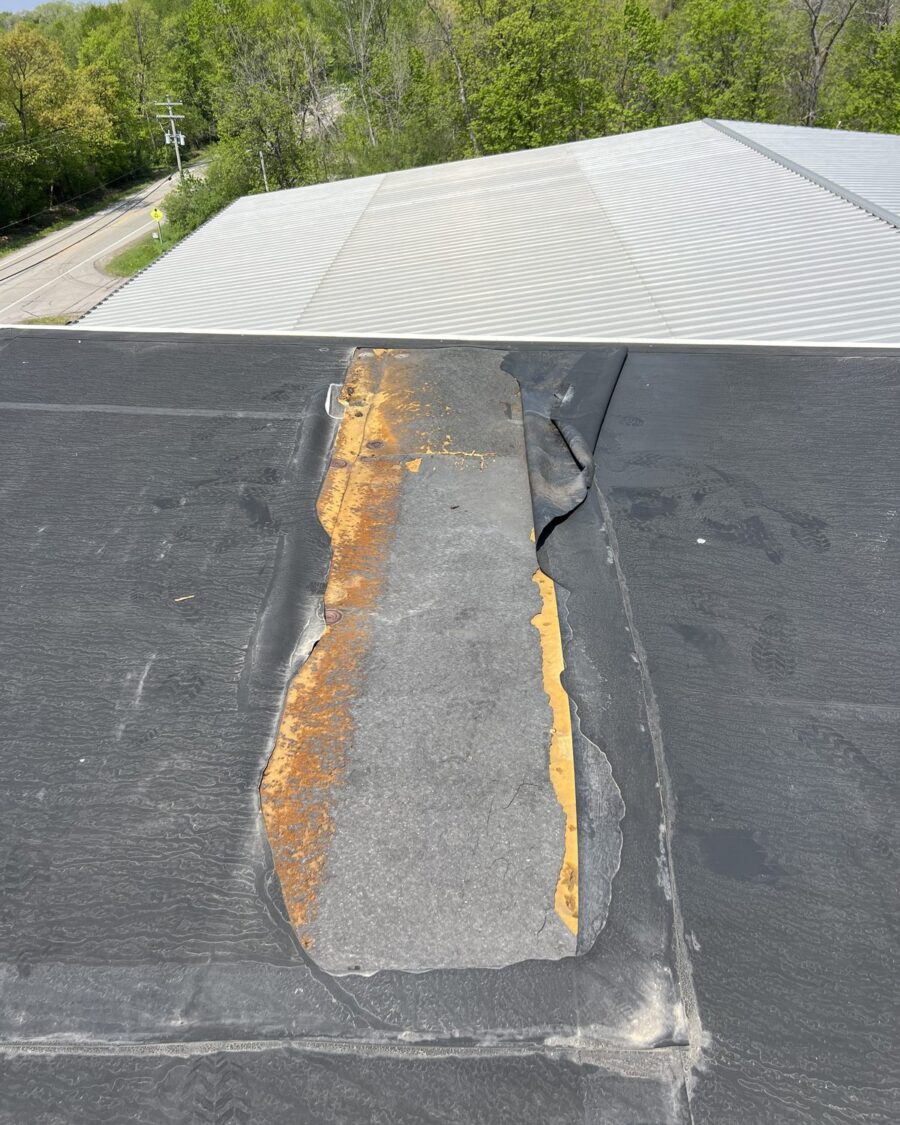
PVC asks for the same program as any single-ply roof: spring and fall inspections, clear drains, and attention to seams, flashings and the areas around exhaust fans, where grease should be contained and cleaned. Repairs are made by welding a patch of new PVC over the cleaned area. Plasticizer loss over many years can make a very old sheet stiff; a trained crew can usually still weld to it after cleaning and priming, and a coating system is an option when the insulation is dry.
Is PVC Right for Your Building?
If anything greasy, oily or chemical lands on your roof, PVC is usually the answer, and on other buildings it is a premium choice worth comparing to TPO. Borsche Roofing Professionals has experience with PVC alongside every other major commercial system, and we will show you where the extra cost pays back and where it does not. Call for a free estimate and consultation.